Fourth Party Logistics (4PL) is a term used in supply chain management to describe an operating model in which logistics services are outsourced and managed under a single, integrated structure. A 4PL provider assumes responsibility for managing all aspects of the supply chain, from transportation and warehousing to sourcing and distribution.
The concept of 4PL emerged as a response to increasingly complex supply chains driven by globalization and the growing need for more efficient logistics processes. By outsourcing logistics activities to a 4PL provider, companies benefit from simplified operational steps and reduced costs while remaining focused on their core competencies.
A 4PL provider typically acts as a strategic partner rather than a traditional service provider. They work closely with clients to understand business objectives and customize solutions that meet specific needs. This role includes coordinating and collaborating with other third-party logistics providers (3PLs), carriers, suppliers, and vendors across the entire supply chain network.
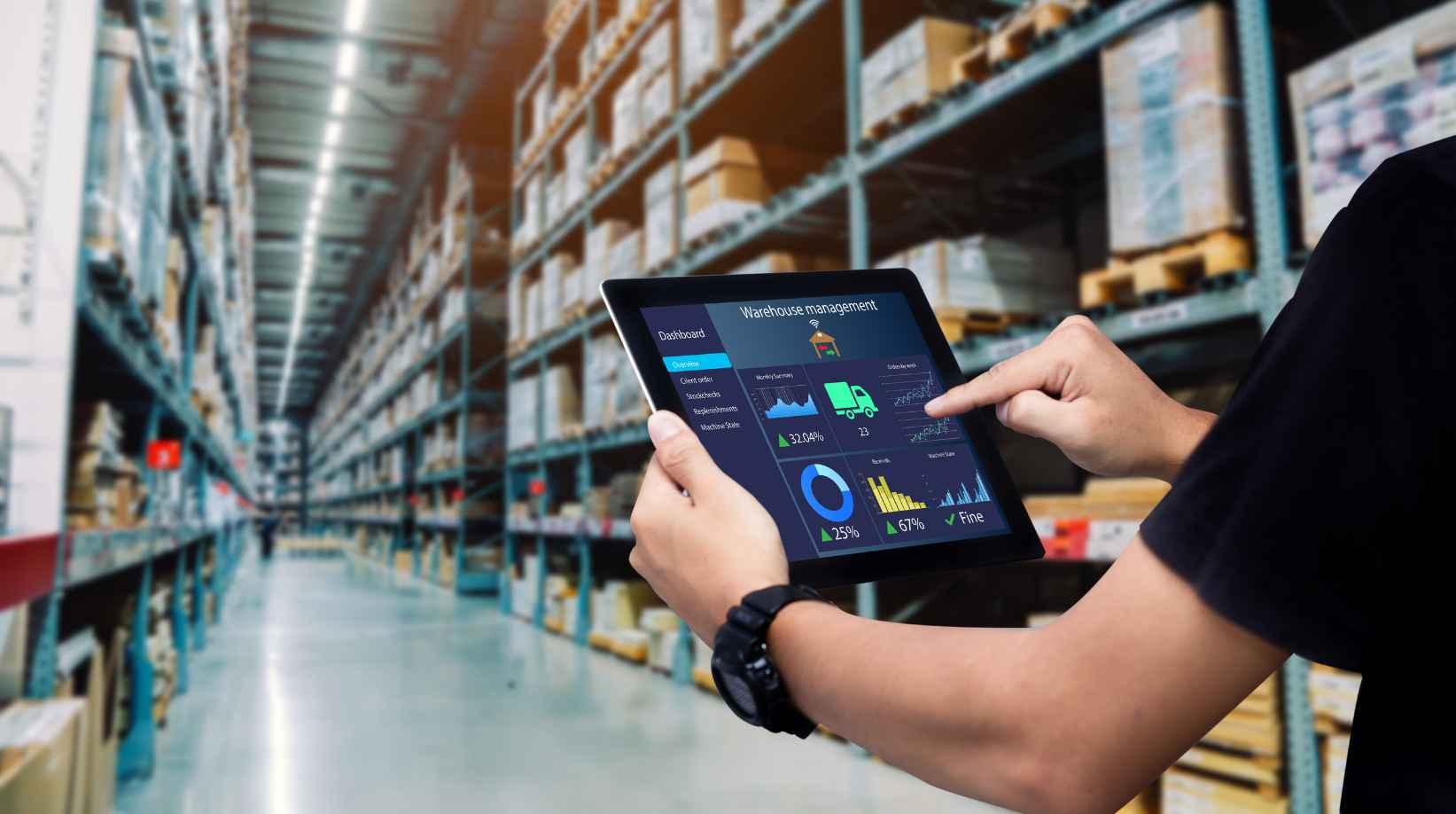
One of the key advantages of using a 4PL model is access to advanced technology platforms that provide real-time visibility into inventory levels, shipment tracking, order status updates, and performance analytics. These tools enable companies to make data-driven decisions related to inventory management, replenishment planning, supplier evaluation and selection, and route optimization. Overall, a 4PL provider supports organizations by delivering actionable insights across all supply chain decision areas.
Another major benefit is enhanced risk management, supported by contingency planning, business continuity strategies, and disaster recovery plans. A 4PL provider serves as an ideal partner for building agile and resilient supply chains. By maintaining alternative logistics resources and transportation options, 4PLs help mitigate risks associated with transportation disruptions, natural disasters, labor disputes, currency fluctuations, tariffs, and regulatory changes. They also support the flexible logistics requirements of different sales channels and product types.
Overall, the use of 4PL services offers many advantages compared to traditional supply chain models. However, successful implementation requires careful evaluation, stakeholder involvement, and integration with existing systems. The success of outsourced logistics functions depends on finding the right balance between cost savings, strategic alignment, risk mitigation, flexibility, and responsiveness.
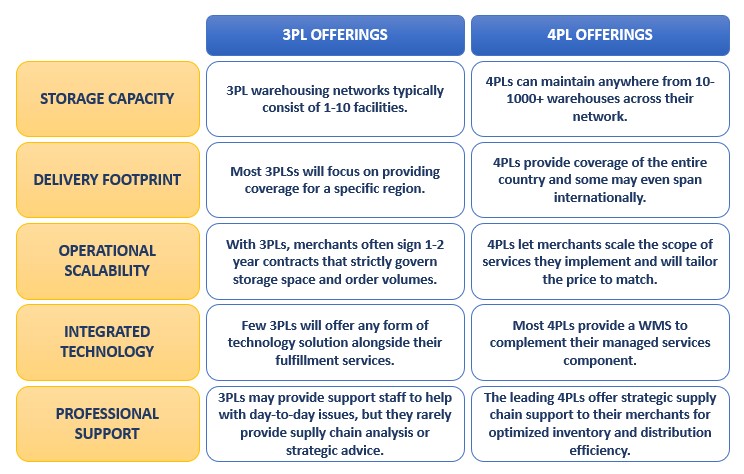
What Are the Differences Between 3PL and 4PL?
What Is the Role and What Are the Capabilities of a 4PL Service Provider?
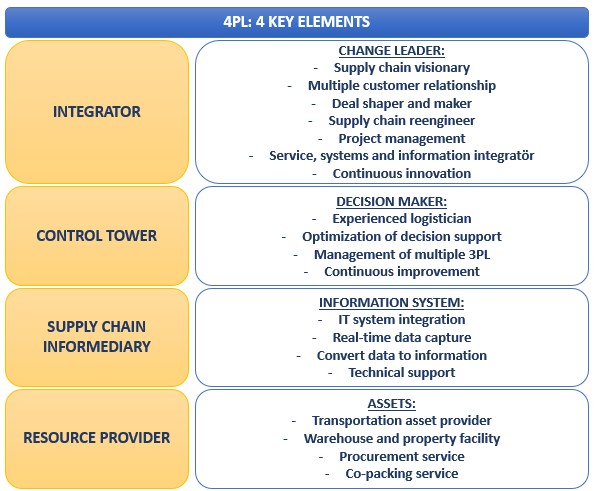
Integrator
A 4PL provider acts as an integrator, coordinating all supply chain stakeholders. Key characteristics of an effective integrator include:
-
Neutrality and standardization to enable collaboration
-
Prevention of conflicts and siloed operations among stakeholders
In other words, a 4PL provider manages logistics processes with a neutral, independent role. This neutrality can be described as follows:
-
The 4PL provider freely shares information with all stakeholders across the supply chain
-
The 4PL provider communicates market opportunities identified throughout the supply chain
-
The 4PL provider offers recommendations for all supply chain processes
-
The 4PL provider designs more efficient business processes
Capabilities:
-
Traceability: Enables real-time visibility of logistics processes for all stakeholders
-
Innovation: Continuously improves the supply chain through an innovation-driven approach
-
Management of Multiple 3PL Providers: Selects and manages multiple suitable logistics service providers across the supply chain
-
Project Management: Manages logistics projects within defined timelines, objectives, and strategies
-
Stakeholder Management: Coordinates logistics service providers, manufacturers, suppliers, distributors, intermediaries, and other organizations
-
Supply Chain Design: Redesigns and aligns supply chain structures
-
Risk Mitigation Support: Implements preventive actions against disruptions or delays in logistics processes
Resource Provider
4PL service providers promote strategic collaboration and lead the management of logistics processes across all supply chain stakeholders.
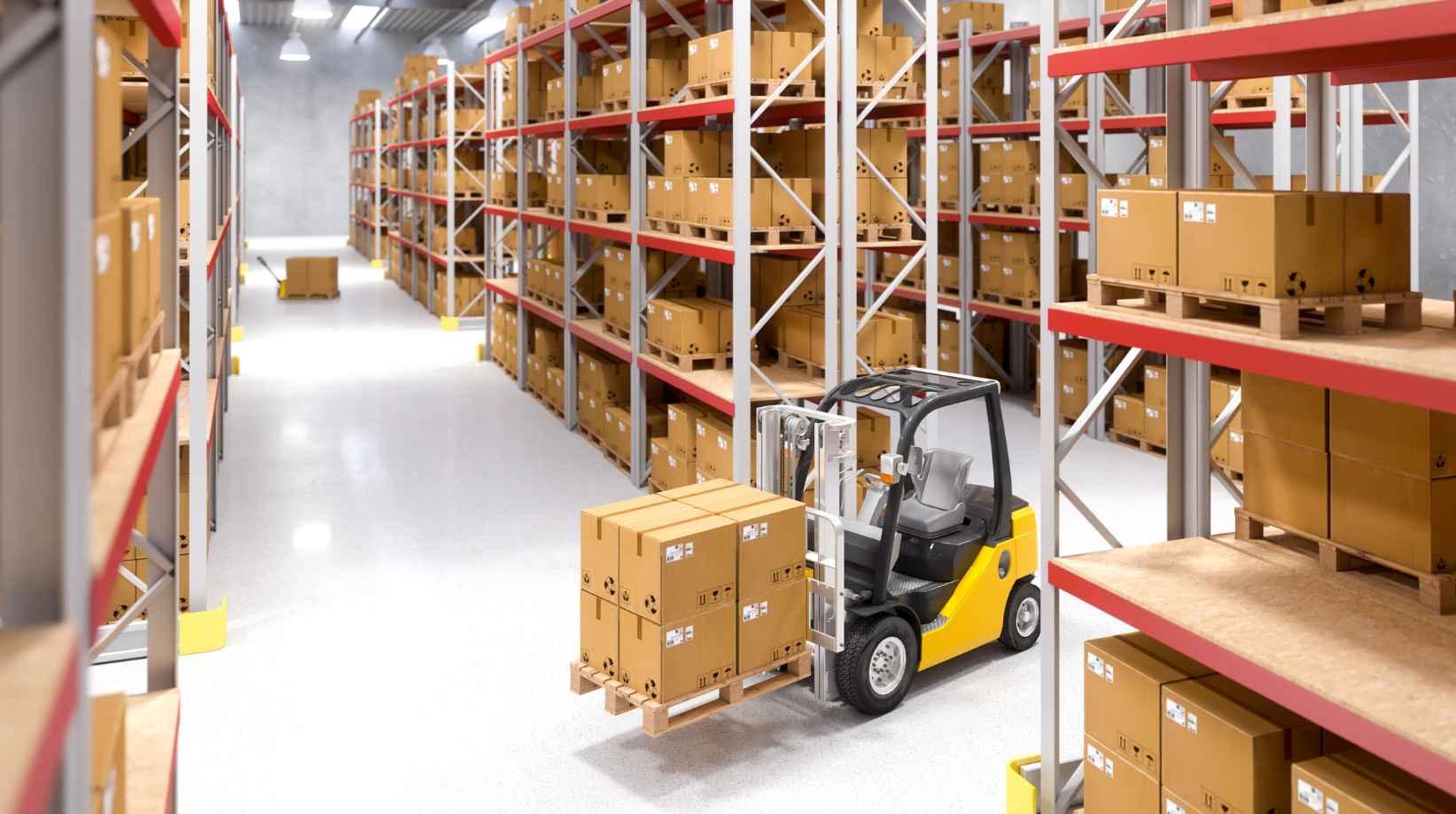
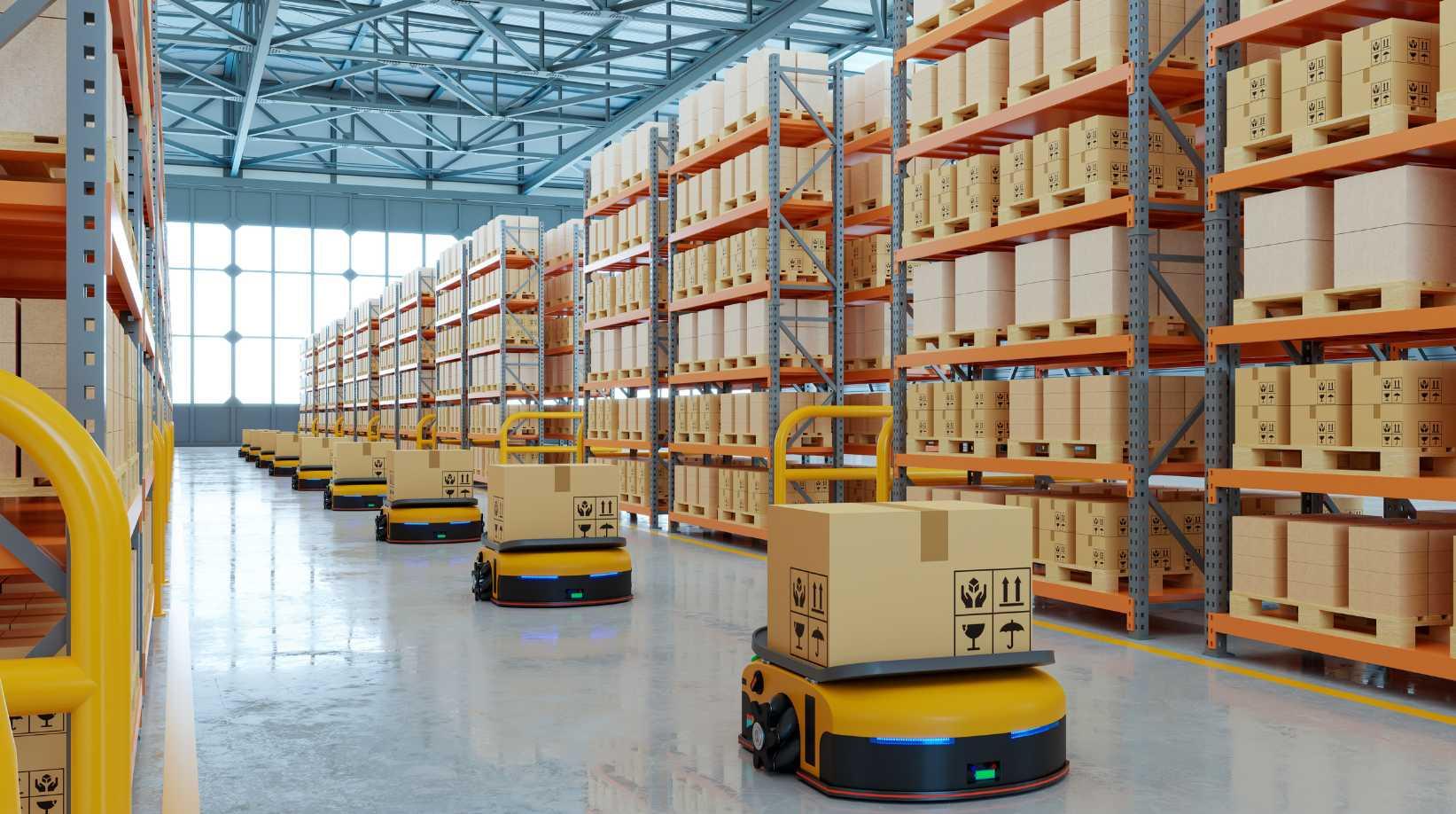
Resources within the supply chain include labor, information, and physical assets (such as warehouses and transportation equipment). Functions commonly outsourced within logistics include transportation, warehousing, consolidation, product branding, labeling, packaging, information technology, inventory management, order management, network design, customs operations, and brokerage services.
Capabilities:
-
Transportation and Warehousing Procurement & Tender Management: Selection, evaluation, and sourcing of logistics service providers based on demand
-
Standardization: Auditing, evaluation, and continuous improvement to ensure consistent logistics service quality
Information Provider
4PL providers possess strong capabilities in IT integration, infrastructure provision, real-time data processing, data management, and technical support when needed. They ensure uninterrupted information flow across supply chains, supporting effective decision-making.
Capabilities:
-
Supply Chain Information Flow Management: Provides IT systems that enhance communication and collaboration across the supply chain
-
System and Information Integration: Enables end-to-end visibility and collaboration, increasing trust among supply chain stakeholders
Decision Support
A 4PL provider plays a decision-making role in developing customized logistics solutions and managing operations for clients, including logistics service providers.
They provide decision support across many logistics processes such as transportation, warehousing, tracking, and electronic data exchange. In addition, a 4PL provider acts as a control tower, monitoring and controlling supply chain processes, identifying potential issues, and supporting decision-making.
Beyond this, the 4PL provider identifies process-related problems and root causes and implements corrective actions.
Capabilities:
-
Establishing Performance Measurement Systems: Measures and improves operational effectiveness
-
Establishing Quality Management Systems: Supports sustainable management systems through standardization and auditing