Blog

ARTICLE
Digital Twin Technology in Warehousing: Experience the Future Today
Warehouses are no longer just shelves, products, and forklifts. Today, warehouse management has evolved into a system that is driven by data, powered by prediction, and continuously improving. One of the most impactful technologies leading this transformation is the digital twin. At Stokport, we...

ARTICLE
10 Fundamental Productivity Principles in Warehouse Operations
At first glance, warehouse management may seem simple: “Goods arrive, are stored, and then shipped out.” In reality, things are rarely that straightforward. What truly makes a warehouse efficient is smart design, accurate data, and principles that actually work on the...
ARTICLE
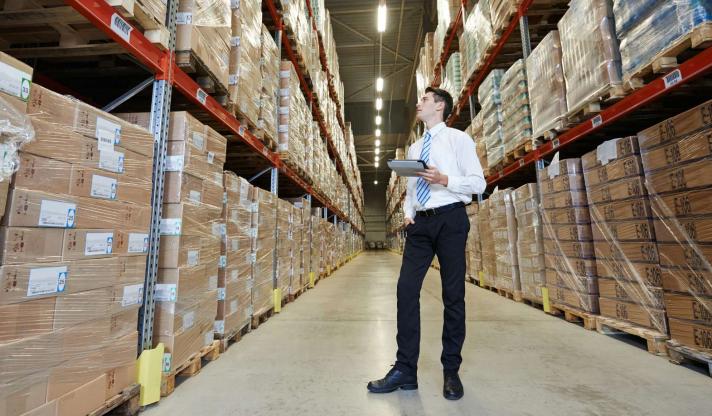
The Role of Warehouse Managers in Logistics Warehouses
Roles, Responsibilities, Skills and Challenges Today, the logistics industry is growing rapidly, and this growth is driving increasing demand for warehousing and distribution services. As a result, the role and responsibilities of warehouse managers are becoming more critical than ever. Warehouse...
ARTICLE
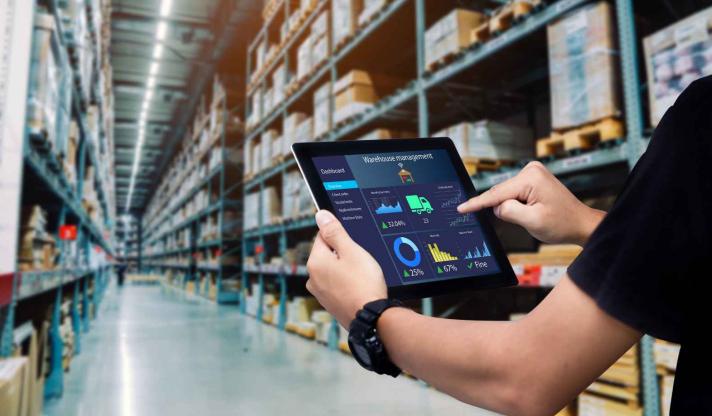
Warehouses of the Future: Warehouse Systems Powered by IoT and Artificial Intelligence
From Automation to Sustainability: The Evolution of Modern Warehousing The world of warehousing has undergone a significant transformation in recent years, driven by rapidly evolving technologies, the shift of supply chains toward network-based structures, and changing consumer demands. Once seen...
ARTICLE
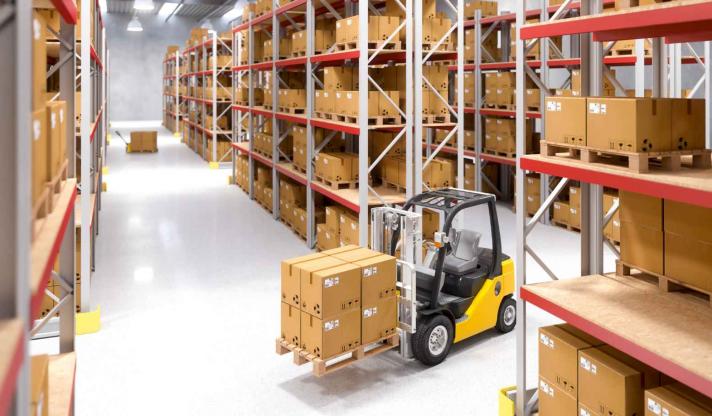
Warehouse Management Systems and Their Benefits
Warehouse management plays a critical role in ensuring the efficient operation of supply chain activities. With the growing complexity of modern logistics, businesses are increasingly turning to technology-driven solutions to streamline warehouse operations. One of the most important of these...
ARTICLE
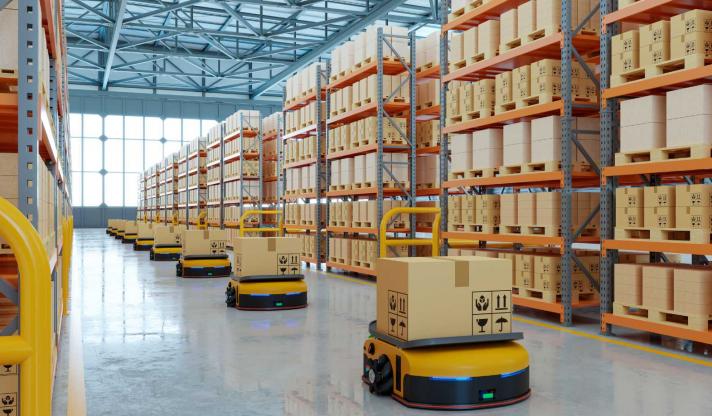
Key Considerations When Outsourcing Warehouse Operations
Warehouse outsourcing is a process that begins when companies facing capacity, resource, development, or cost challenges related to space, equipment, systems, and organization choose to obtain these services from professional logistics providers. By entrusting warehousing and...

ARTICLE
What Is Order Fulfillment and What Are The Stages?
Order fulfillment refers to the process of receiving, preparing, and delivering orders to customers. It includes a wide range of activities, such as: Receiving and processing customer orders: This involves verifying that the order is complete and accurate and entering it into the system for...

ARTICLE
Logistics Warehousing Costs: Analysis and Improvement
In a logistics warehouse, cost components can generally be summarized as follows: Warehouse Rent or Leasing Costs: Rental payments for warehouse space or depreciation costs for owned facilities. Labor Costs: Salaries, bonuses, insurance, and other personnel-related...
ARTICLE
Warehouse Performance Measurements
What Are Warehouse KPIs? Warehouse KPIs are metrics used to measure the performance of a warehouse. They provide a structured way to monitor efficiency and identify areas for improvement. KPIs can be applied to various aspects of warehouse operations, including inventory management, order...
ARTICLE
Different Warehouse Types Serving Different Roles in the Supply Chain
Raw Material Warehouses – Located close to suppliers or production sites Work-in-Progress (WIP) Warehouses – Used for products that are partially assembled or still in production Finished Goods Warehouses – Buffer storage areas located near production...
ARTICLE
Warehouse Design
Warehouse design is a critical aspect of supply chain management that directly impacts operational efficiency and productivity. Planning a warehouse layout can be a complex process due to the many factors involved. It requires the strategic design of a facility layout that ensures effective use of...
ARTICLE
What Is 4PL?
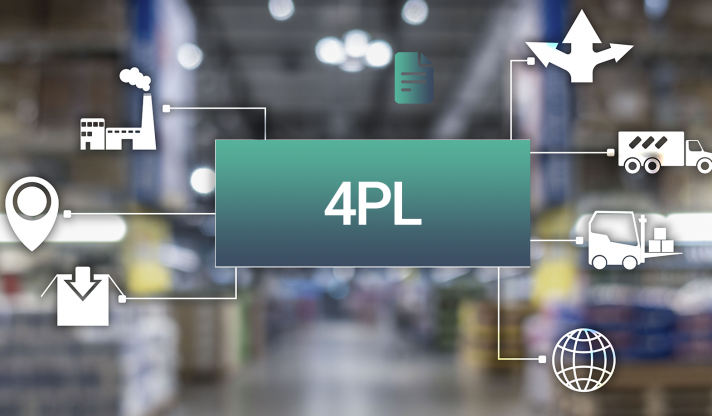
Fourth Party Logistics (4PL) is a term used in supply chain management to describe an operating model in which logistics services are outsourced and managed under a single, integrated structure. A 4PL provider assumes responsibility for managing all aspects of the supply chain, from transportation...

ARTICLE
What Is Omnichannel Marketing?
What Is Omnichannel? Omnichannel is a marketing-driven sales approach that aims to provide customers with a seamless shopping experience, whether they shop online via desktop or mobile, by phone, or in a physical store. This strategy is customer-centric. Customers can always find the product they...

ARTICLE
Logistics Standards System (LSS)
What Is LSS®? The Logistics Standards System (LSS®) is a comprehensive assessment and benchmarking system designed to ensure quality, traceability, and sustainability across warehousing and transportation processes. By benchmarking warehouse and logistics operational performance...