Warehouse outsourcing is a process that begins when companies facing capacity, resource, development, or cost challenges related to space, equipment, systems, and organization choose to obtain these services from professional logistics providers. By entrusting warehousing and distribution functions to third-party logistics (3PL) providers, companies can benefit from cost savings, expertise, scalability, and flexibility.
However, to build a successful partnership, there are several critical factors that must be carefully considered when outsourcing warehouse operations.
Benefits of Warehouse Outsourcing
Cost Savings
Outsourcing warehouse operations can lead to significant cost savings. Companies can reduce fixed costs by eliminating the need to invest in warehouse infrastructure, equipment, and labor, allowing resources to be used more efficiently.
Expertise and Efficiency
Third-party logistics providers specializing in warehouse management bring deep expertise in optimizing operations, improving efficiency, and reducing error rates. Their ability to apply best practices makes them ideal partners for ensuring smooth and reliable operations.
Scalability and Flexibility
Warehouse outsourcing allows businesses to scale operations up or down in response to demand fluctuations. This flexibility is particularly valuable for seasonal businesses or companies experiencing rapid growth.
Key Factors to Consider When Outsourcing Warehouse Operations
Location
The warehouse location is critical for efficient distribution. It should be strategically positioned to minimize transportation costs and ensure timely deliveries to customers.
Security Measures
The warehouse operator must have strong security measures in place to protect inventory from theft, damage, or unauthorized access. These include surveillance systems, access controls, and fire prevention measures.
Technology and Automation
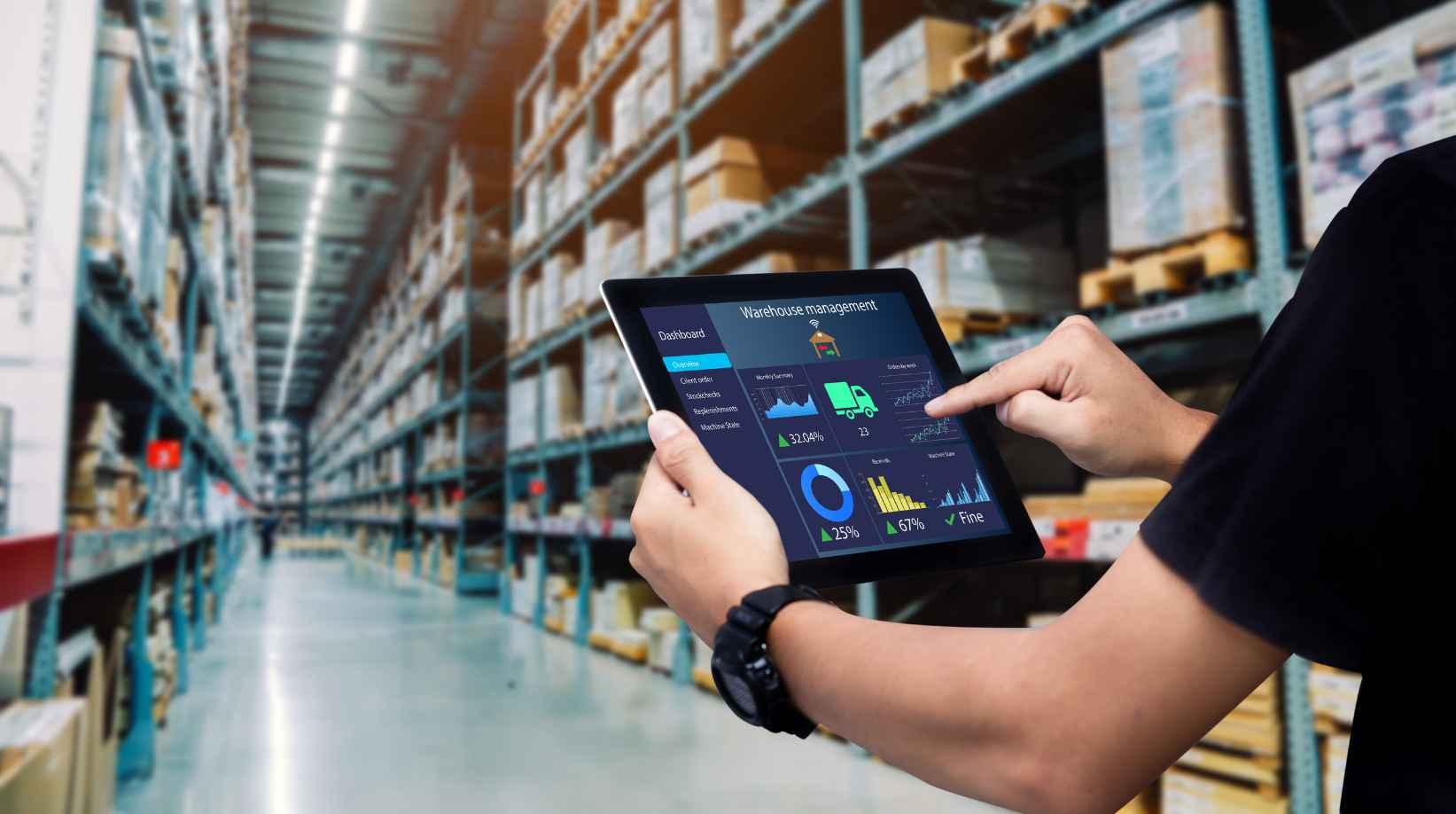
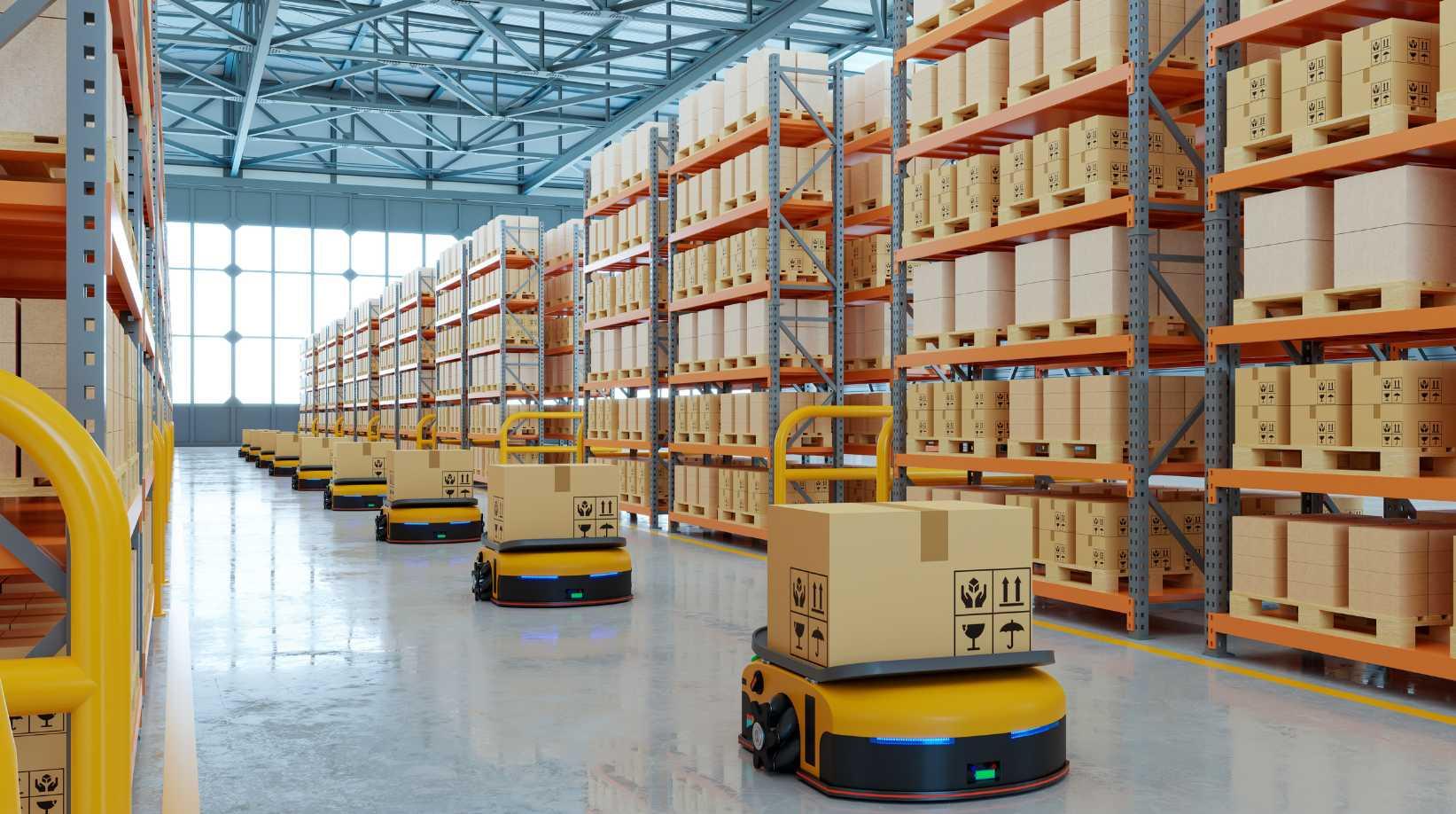
The use of advanced technology and automation in warehouse operations can significantly improve efficiency and accuracy. It is preferable that the warehouse has the necessary infrastructure and systems to support these technologies.
Inventory Management
Effective inventory management is essential to minimize stock discrepancies, reduce carrying costs, and optimize order fulfillment. The outsourced warehouse should have robust and reliable warehouse management systems and processes.
Communication and Collaboration
Clear and effective communication between the company and the warehouse operator is vital for successful operations. Regular updates, reporting, and collaboration ensure alignment and enable issues to be addressed promptly.
Choosing the Right Warehouse Service Provider
Experience and Reputation
When selecting an outsourcing partner, it is important to consider their industry experience and reputation. Providers with a proven track record and positive customer references are more likely to deliver high-quality services.
Infrastructure and Resources
The warehouse operator must have the necessary infrastructure, equipment, and resources to meet the company’s specific requirements. This includes storage capacity, handling and stacking equipment, and transportation capabilities.
Customization and Flexibility
Every business has unique needs, and the warehouse provider should be able to customize services accordingly. Flexibility in storage options, order picking, and value-added services is essential.
Service Level Agreements (SLAs)
Clear Service Level Agreements (SLAs) should be established to define expectations and responsibilities for both parties. SLAs should include key performance indicators, response times, and dispute resolution mechanisms.
Cost and Pricing Structure
The pricing model should be transparent and aligned with the company’s budget and financial goals. It is important to consider both upfront costs and any additional fees or charges.
Challenges in Warehouse Outsourcing
Loss of Control
Outsourcing warehouse operations means relinquishing some control over daily warehouse management. This can be challenging for organizations accustomed to having full operational control.
Communication Challenges
Effective communication is essential for smooth operations. Language barriers, time zone differences, and cultural nuances can create communication challenges.
Quality Control
Maintaining consistent quality standards can be difficult when warehouse operations are outsourced. Clear quality control processes and regular audits are necessary to ensure compliance.
Data Security
Outsourced warehouses will have access to sensitive business and customer data. Strong data security measures and compliance with data protection regulations are essential.
Cultural Differences
When outsourcing to providers in different countries or regions, cultural differences can impact operations. Understanding and addressing these differences is crucial for successful collaboration.
Best Practices for Warehouse Outsourcing
Clearly Define Expectations
Both parties should clearly understand expectations, roles, and responsibilities, including defined KPIs and service level requirements.
Establish Key Performance Indicators (KPIs)
KPIs should be defined to measure the performance and effectiveness of the outsourced warehouse. Regular monitoring and reporting help identify improvement areas.
Maintain Regular Communication and Reporting
Open and consistent communication is essential to address issues, share updates, and maintain alignment.
Focus on Continuous Improvement
Both parties should actively seek opportunities for continuous improvement, including process optimization, technology enhancement, and employee training.
Build Strong Relationships
Developing a strong partnership with the outsourced warehouse is critical for long-term success. Regular meetings, site visits, and collaboration help build trust and enable effective problem-solving.
Warehouse outsourcing offers numerous advantages, including cost savings, expertise, scalability, and flexibility. However, it is essential to carefully evaluate key factors such as location, security, technology, inventory management, and communication. By selecting the right partner, addressing potential challenges, and implementing best practices, businesses can optimize their warehouse operations and focus on their core competencies.