From Automation to Sustainability: The Evolution of Modern Warehousing
The world of warehousing has undergone a significant transformation in recent years, driven by rapidly evolving technologies, the shift of supply chains toward network-based structures, and changing consumer demands. Once seen as simple storage facilities, warehouses have now become innovation hubs at the heart of supply chains, enabled by advanced automation and digitalization that improve efficiency and productivity while delivering critical information to all stakeholders.
At the same time, the future of warehousing goes beyond technology alone—sustainability has become a key priority.
Embracing Automation: A Major Shift in Warehousing
In today’s fast-evolving warehousing landscape, automation is no longer an option—it is a necessity.
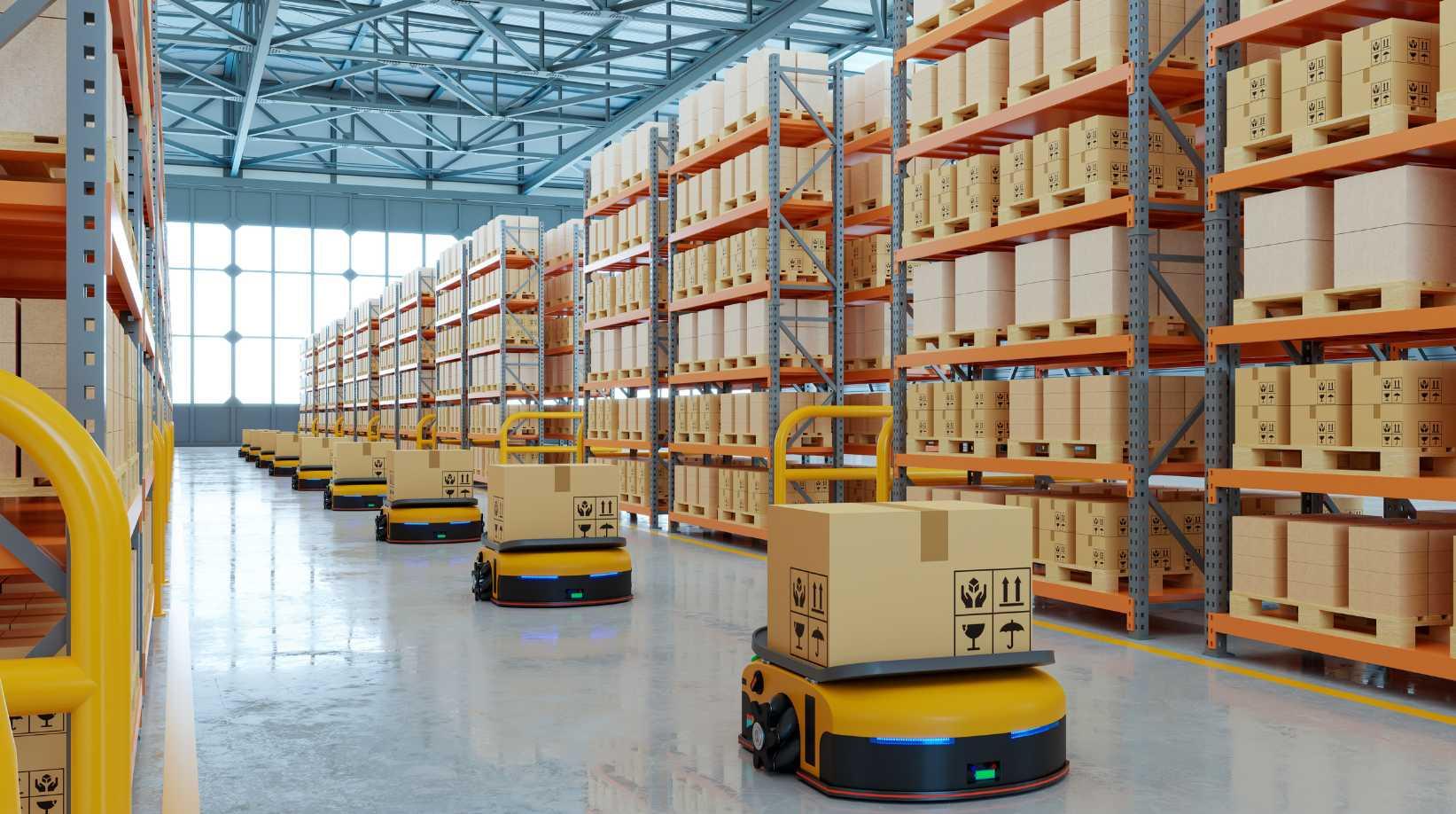
Robots are taking over repetitive tasks, increasing efficiency, and freeing employees to focus on more value-added aspects of warehouse management.
Through the integration of advanced Warehouse Management Systems (WMS) with technologies such as IoT and Artificial Intelligence, the warehouse of the future is becoming a reality. This fundamental shift not only saves time and reduces costs, but also improves traceability and order fulfillment speed in the age of e-commerce.
Leveraging IoT and Artificial Intelligence: Game Changers for Future Warehouses
In the rapidly developing world of warehousing, leveraging IoT (Internet of Things), digital twin applications, and artificial intelligence is redefining the rules of the game.
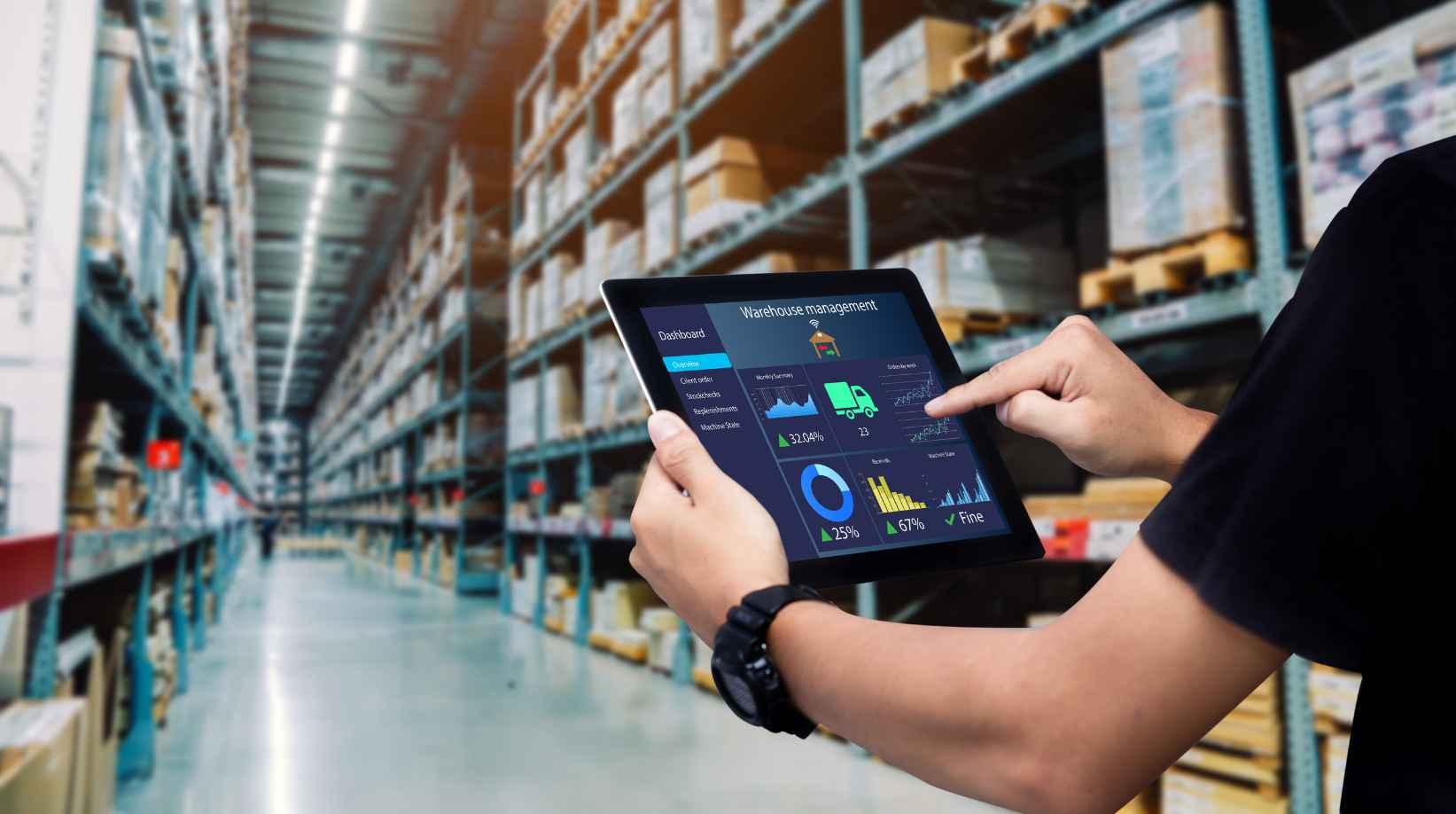
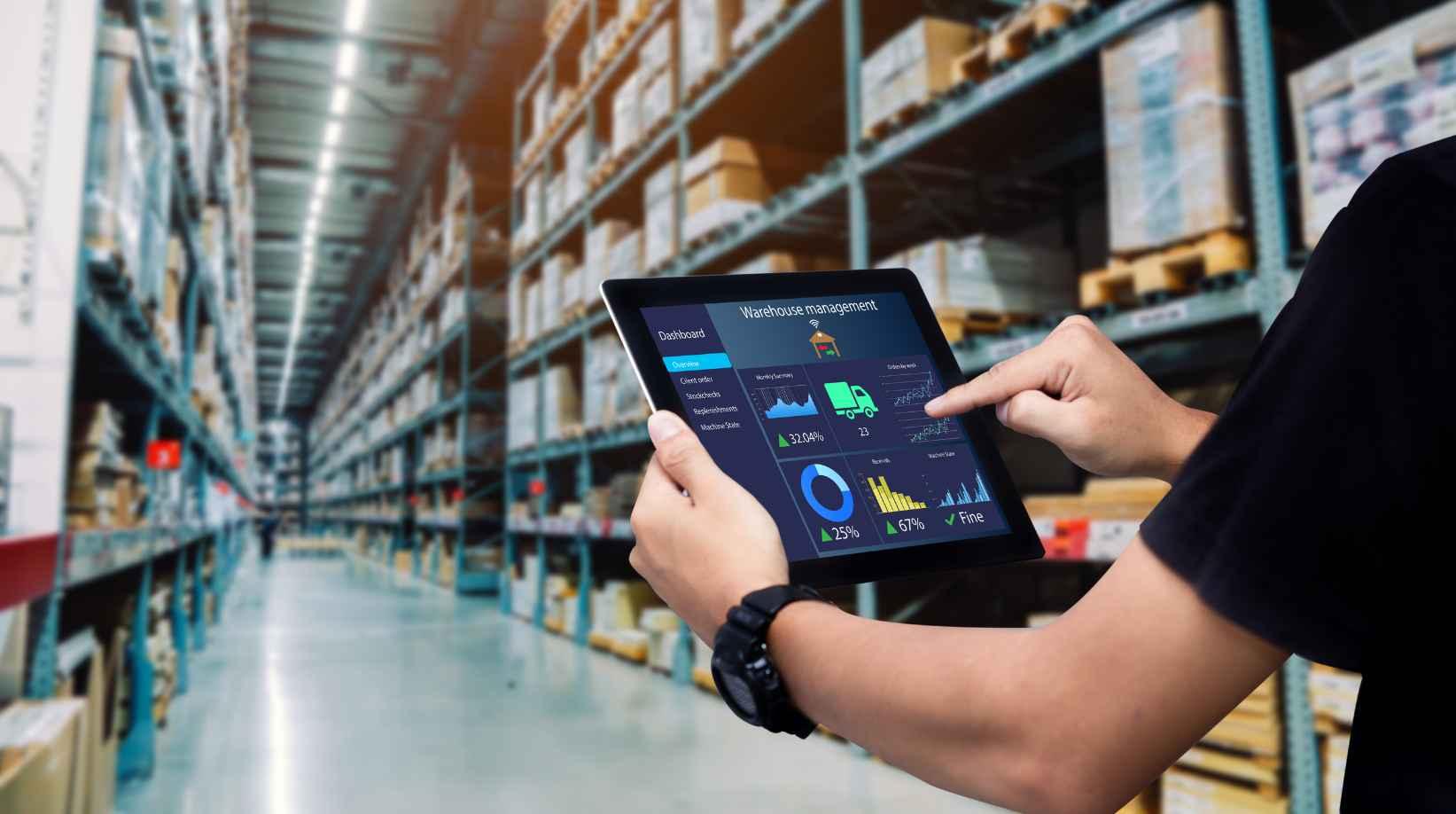
These technologies enable warehouse managers to optimize efficiency, improve KPIs, and meet the growing demands of e-commerce. IoT sensors and AI-powered analytics provide real-time data on inventory levels, order fulfillment, and equipment performance—allowing for proactive decision-making and streamlined operations.
By adopting IoT and AI, warehouses can achieve significant cost savings, reduce errors, and increase customer satisfaction. These game-changing technologies are paving the way for a more efficient and data-driven future in warehousing.
Sustainability in Warehousing: Eco-Friendly Practices Transforming the Industry
Today, sustainability is not just a buzzword—it is a necessity. The warehousing sector is no exception, as it seeks to adopt environmentally friendly practices that can transform how operations are run.
From energy-efficient lighting and recycling initiatives to optimizing travel distances and reducing waste, warehouses are finding innovative ways to minimize their environmental impact. These eco-friendly practices not only contribute to a greener future but also improve efficiency while lowering costs.
By integrating sustainability into their operations, warehouse managers can meet the growing demands of e-commerce while remaining environmentally responsible.
The Rise of E-Commerce: Increasing Demands on Warehousing
With the rise of e-commerce, the warehousing industry is facing unprecedented demand. As consumers increasingly turn to online shopping, warehouses are under pressure to deliver products faster and more efficiently than ever before.
The demand for rapid order fulfillment and seamless customer experiences has pushed warehouses to optimize operations and adopt new technologies. Efficient inventory management, accurate order processing, and effective warehouse layout design are just a few of the challenges driven by e-commerce growth.
To keep pace, warehouses must adapt to these increasing demands and find innovative solutions to meet the expectations of the modern e-commerce era.
Exploring the Impact of Blockchain Technology on Warehousing
Blockchain technology has the potential to revolutionize the warehousing industry by offering greater efficiency and transparency. By providing secure and immutable transaction records, blockchain enhances supply chain management and enables end-to-end product traceability—from production to final delivery.
This technology can also improve warehouse operations by simplifying inventory management and reducing the risk of fraud. As e-commerce continues to grow, blockchain can help warehouses meet increasing customer expectations by ensuring orders are fulfilled accurately and on time.
As blockchain adoption continues to evolve, its impact on warehousing is expected to be significant.
Looking Ahead: Future Trends and Challenges in Warehousing
As the warehousing landscape continues to evolve, several key trends and challenges are emerging. One of the most prominent trends is the increasing focus on efficiency. Warehouses will continue to optimize operations through automation and advanced technologies to meet e-commerce demands.
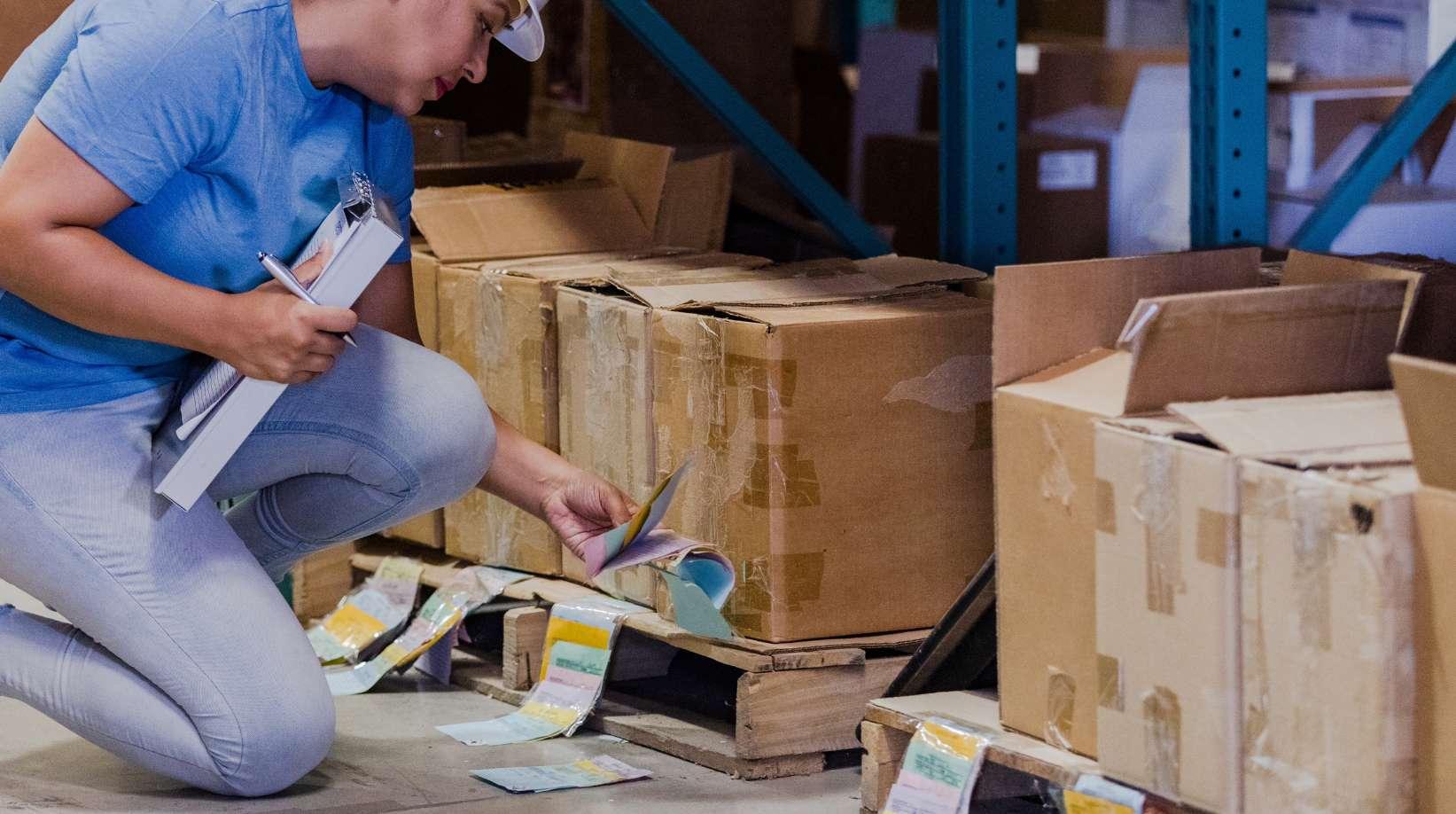
Another major challenge is the need to monitor and measure Key Performance Indicators (KPIs) to ensure operational goals and customer expectations are met. With rising order volumes, warehouses must adapt to this changing environment and develop innovative solutions to remain competitive.
Key features and trends shaping the future of warehousing include:
-
Automation
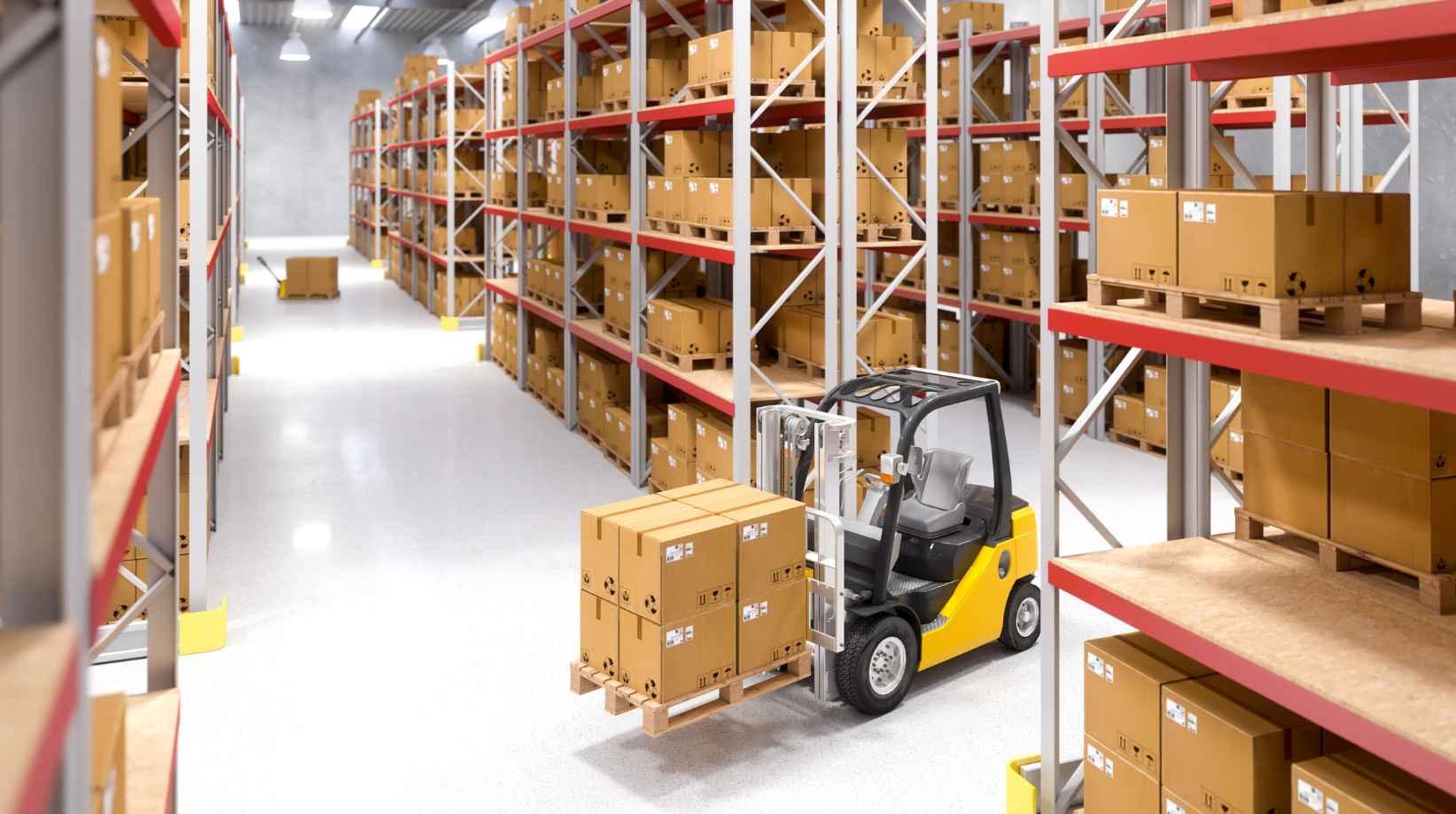
Future warehouses will rely heavily on automation, with robots, drones, and autonomous vehicles playing major roles in picking, packing, and stacking—driving higher efficiency and lower costs. -
Artificial Intelligence and Machine Learning
AI and machine learning will streamline warehouse functions, enabling workers and robots to quickly identify the right products, reducing operational costs and improving overall performance. -
Digitalization and Data-Driven Decision Making
Warehouses will increasingly leverage digital technologies to make data-driven decisions, improving inventory accuracy, order picking, and supply chain management.
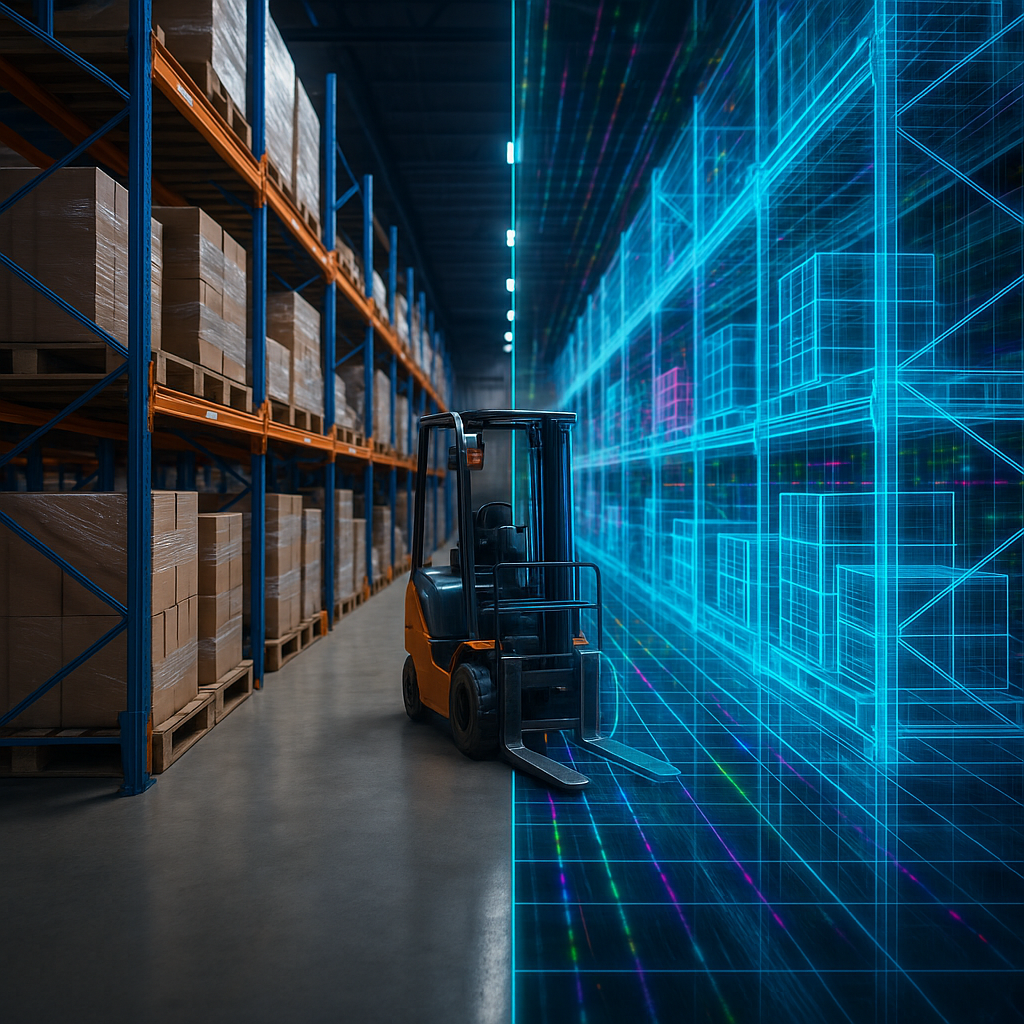
Digital twins—virtual replicas of physical warehouses—will also play a role in operational optimization. -
On-Demand Warehousing
A relatively new concept, on-demand warehousing allows distribution centers and warehouses to operate on a pay-per-use (as-a-service) basis. This enables users to shift from fixed to variable costs and quickly meet short-term or seasonal storage needs through marketplace platforms. -
Logistics and Traceability Advancements
Advanced tracking technologies will provide real-time visibility and accurate inventory control, regardless of location. -
Sustainability
Future warehouses will prioritize sustainability through energy efficiency, waste reduction, and innovations in green technologies. -
Supply Chain Integration
Warehouses will become more deeply integrated into the overall supply chain, enabling faster delivery times, increased productivity, and improved customer satisfaction. -
Capacity Planning and Space Utilization
Technology-driven, data-based capacity planning will enable better space utilization and healthier operational outcomes.
To remain competitive, warehouse operators and stakeholders must adapt to these trends and invest in the necessary technologies and infrastructure. The future of warehousing belongs to organizations that embrace innovation, data-driven decision-making, sustainability, and seamless supply chain integration.