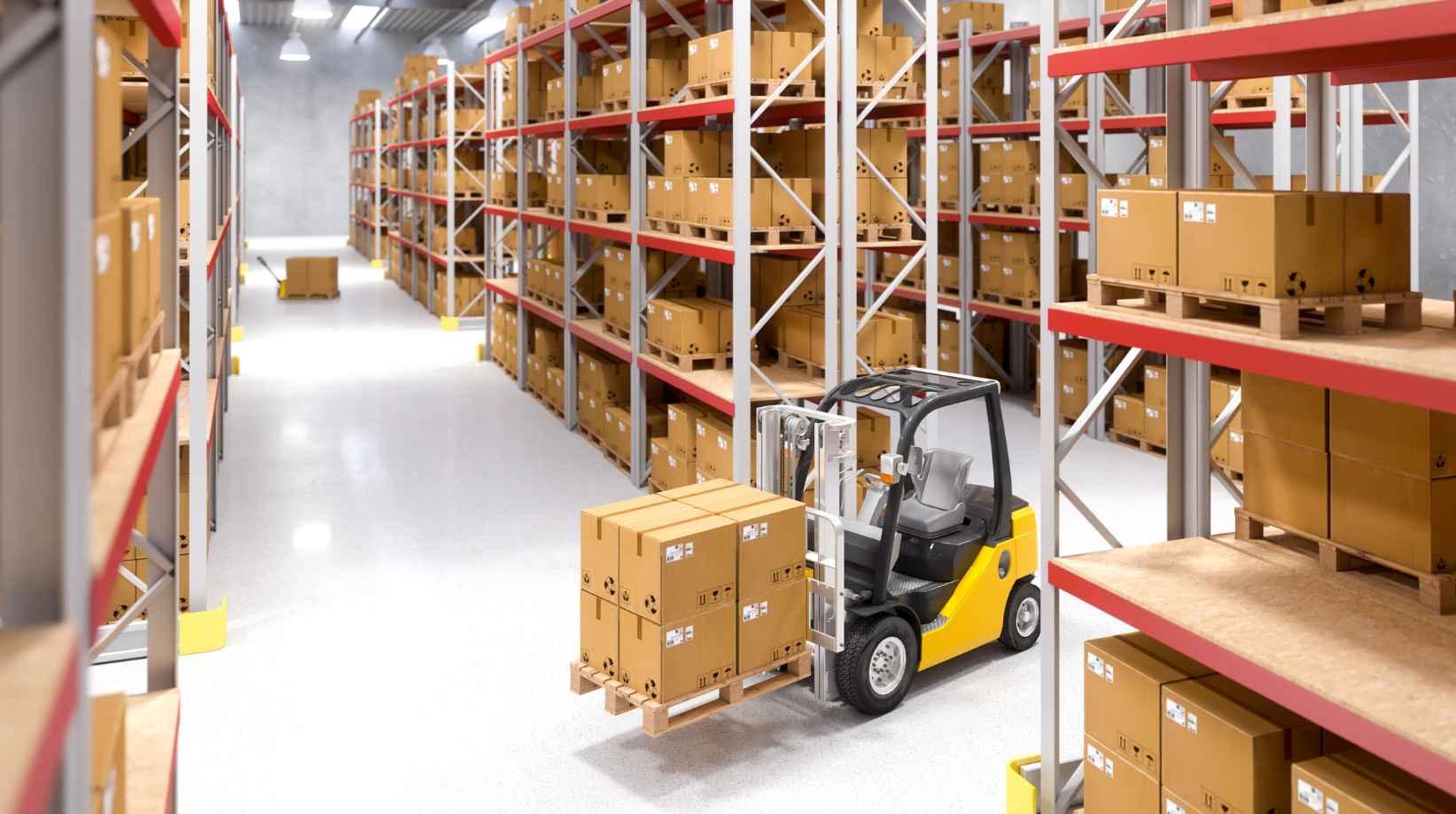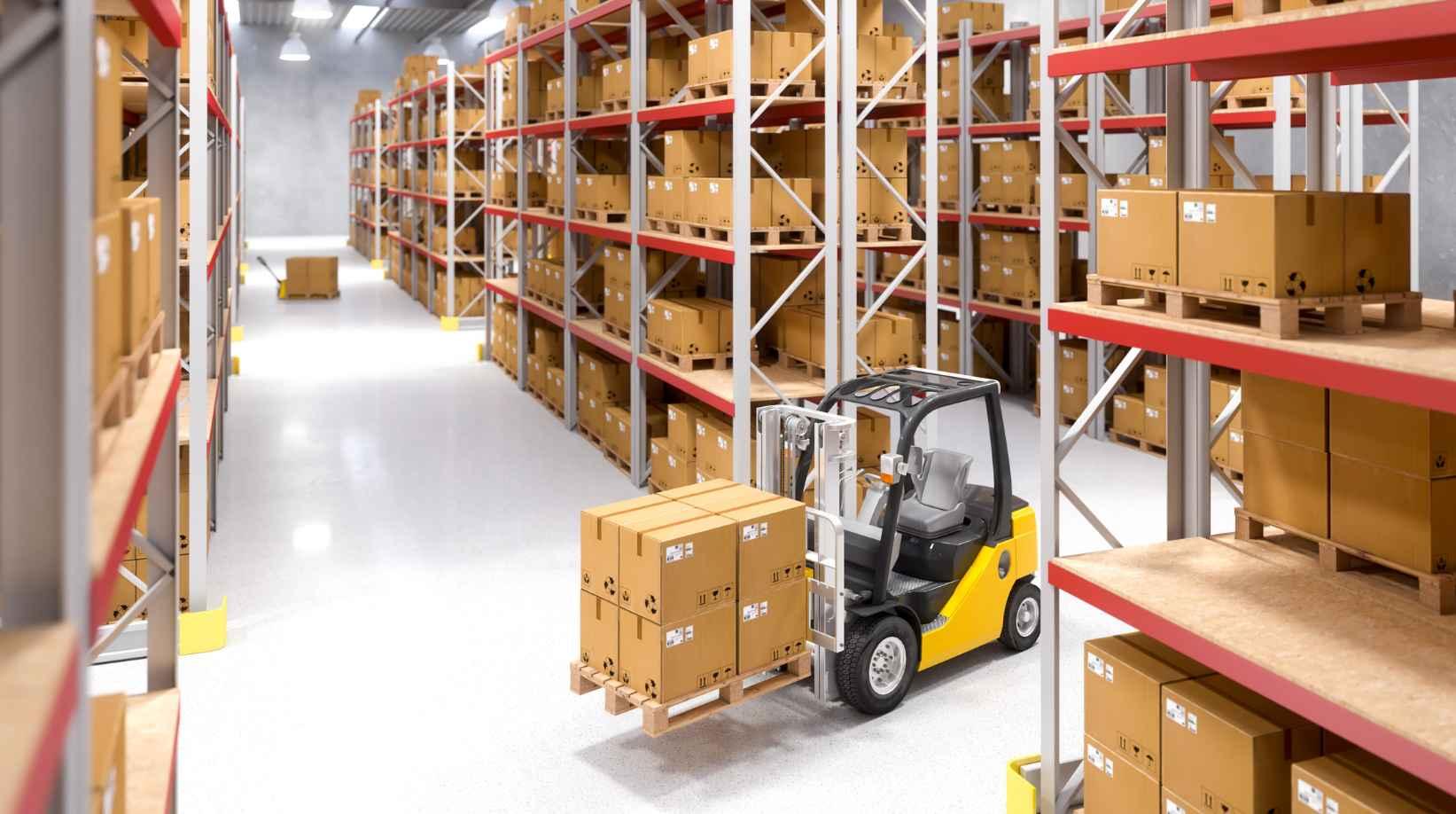
Warehouse management plays a critical role in ensuring the efficient operation of supply chain activities. With the growing complexity of modern logistics, businesses are increasingly turning to technology-driven solutions to streamline warehouse operations. One of the most important of these solutions is the Warehouse Management System (WMS).
What Is a Warehouse Management System (WMS)?
A Warehouse Management System (WMS) is a software application that helps businesses manage and control warehouse operations. It provides real-time visibility into inventory, automates various processes, and optimizes the movement and storage of goods within the warehouse.
The Importance of WMS in Modern Supply Chain Management
In today’s volatile and uncertain environment, efficient warehouse management is essential to meet customer demand, reduce costs, and improve overall operational efficiency. A WMS enables businesses to manage inventory effectively, streamline order fulfillment, and increase productivity—playing a key role in improving customer satisfaction.
Types of Warehouse Management Systems
There are several types of Warehouse Management Systems available on the market, each offering different features and advantages. The three main categories are:
Standalone WMS
A standalone WMS operates independently from other business applications. It is typically installed on-premise and requires dedicated hardware and IT resources. Standalone WMS solutions offer robust functionality and extensive customization options, making them ideal for large-scale operations with complex warehouse requirements.
However, implementation and maintenance costs can be high. In addition, limited integration capabilities with other business systems may lead to data silos and manual data entry.
Integrated WMS
An integrated WMS is designed to work seamlessly with other enterprise systems, such as Enterprise Resource Planning (ERP) software. By sharing data and processes across business functions, it enables real-time information flow and streamlines overall operations.
Integrated WMS solutions eliminate duplicate data entry and improve data accuracy. They also provide a holistic view of the supply chain, enabling better decision-making and more efficient resource utilization. That said, implementing an integrated WMS may require significant upfront investment and integration effort.
Cloud-Based WMS
Also known as Software as a Service (SaaS) WMS, cloud-based systems are hosted in the cloud and accessed through a web browser. This model offers scalability, flexibility, and cost efficiency, making it particularly attractive for small and medium-sized businesses.
Cloud-based WMS solutions reduce upfront costs and eliminate the need for on-premise infrastructure and extensive IT support. They also provide real-time access to data from anywhere, enabling remote management and collaboration. However, reliance on internet connectivity and potential data security concerns are important factors to consider.
Benefits of Warehouse Management Systems
Improved inventory management
A WMS provides real-time visibility into inventory levels, locations, and movements. This enables accurate inventory tracking, reduced stock levels, and optimized replenishment. Improved inventory management leads to better demand forecasting, lower carrying costs, and increased customer satisfaction.
Enhanced order fulfillment
By automating order processing, picking, packing, and shipping, a WMS reduces errors and improves order accuracy. Enhanced order fulfillment results in faster processing times, on-time deliveries, and increased customer loyalty.
Increased operational efficiency
A WMS automates key warehouse processes such as receiving, putaway, and picking. It optimizes the internal movement of goods, reduces travel time, and improves overall operational efficiency. Higher efficiency translates into increased productivity, lower labor costs, and better resource utilization.
Real-time visibility and tracking
A WMS allows businesses to track product status and location, monitor order progress, and identify bottlenecks or delays. Real-time visibility supports informed decision-making, proactive issue resolution, and improved overall supply chain performance.
Cost savings and reduced error rates
By optimizing inventory levels, streamlining processes, and improving resource utilization, a WMS helps reduce operational costs. It minimizes inventory holding costs, eliminates manual data entry errors, and lowers labor costs through process automation. These cost savings contribute directly to increased profitability and competitive advantage.
Choosing the Right Warehouse Management System
Selecting the right WMS is critical to maximizing its benefits. Key factors to consider include:
Assessing business needs and requirements
Understand your specific warehouse requirements, such as inventory volume, order volume, and operational complexity. Identify the core features and functionalities needed to support your business objectives.
Evaluating scalability and flexibility
Consider whether the WMS can scale with future growth and adapt to changing business needs. Look for systems that allow easy customization and seamless integration with other business applications and sales channels.
Considering integration capabilities
Evaluate the WMS’s ability to integrate with other enterprise systems, such as ERP and Transportation Management Systems (TMS). Smooth integration enables data synchronization and process automation across functions, improving overall efficiency.
Analyzing cost and return on investment (ROI)
Compare the costs of different WMS options, including upfront investment, ongoing maintenance fees, and potential customization expenses. Assess the expected return on investment based on anticipated benefits and cost savings.