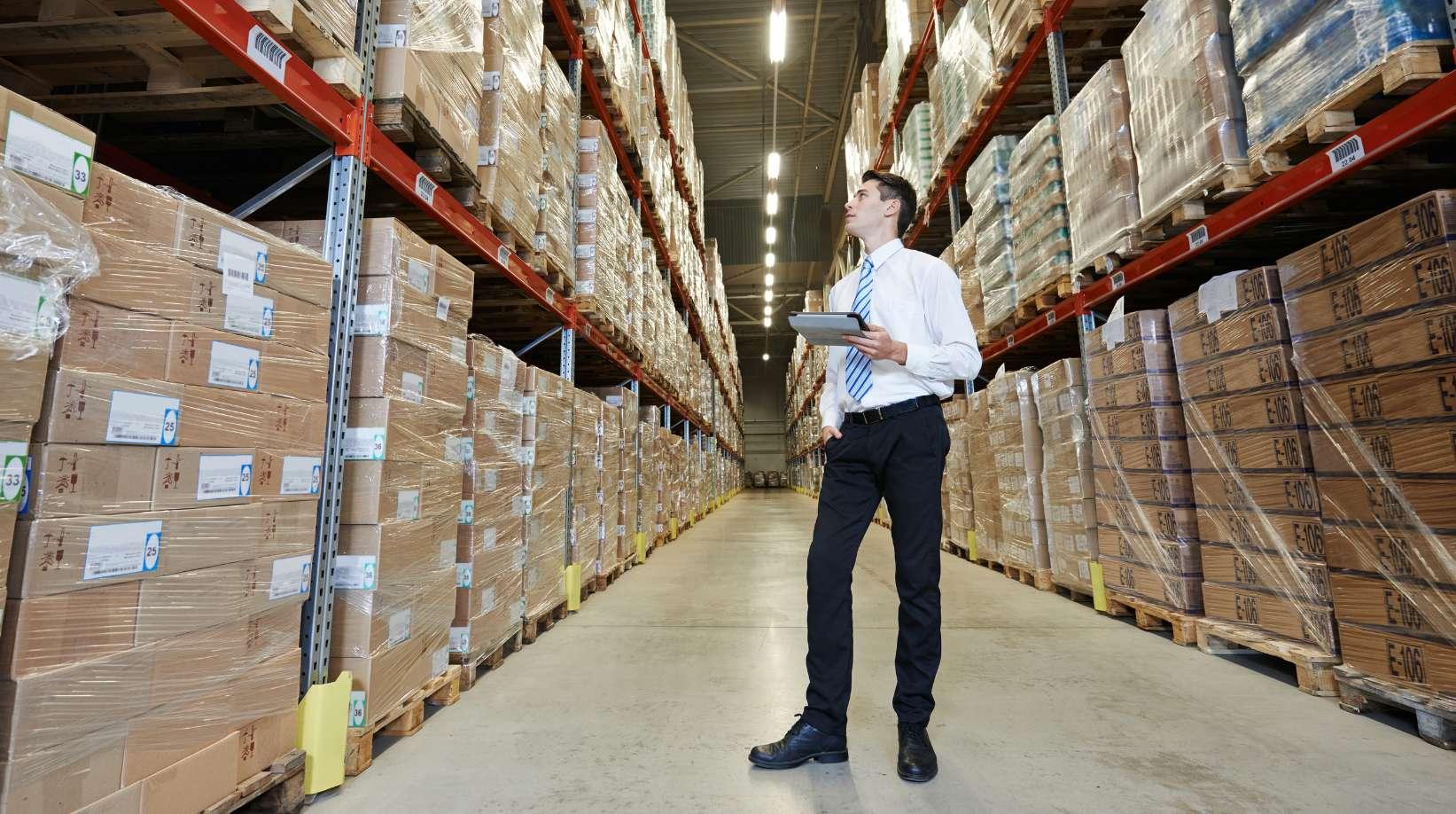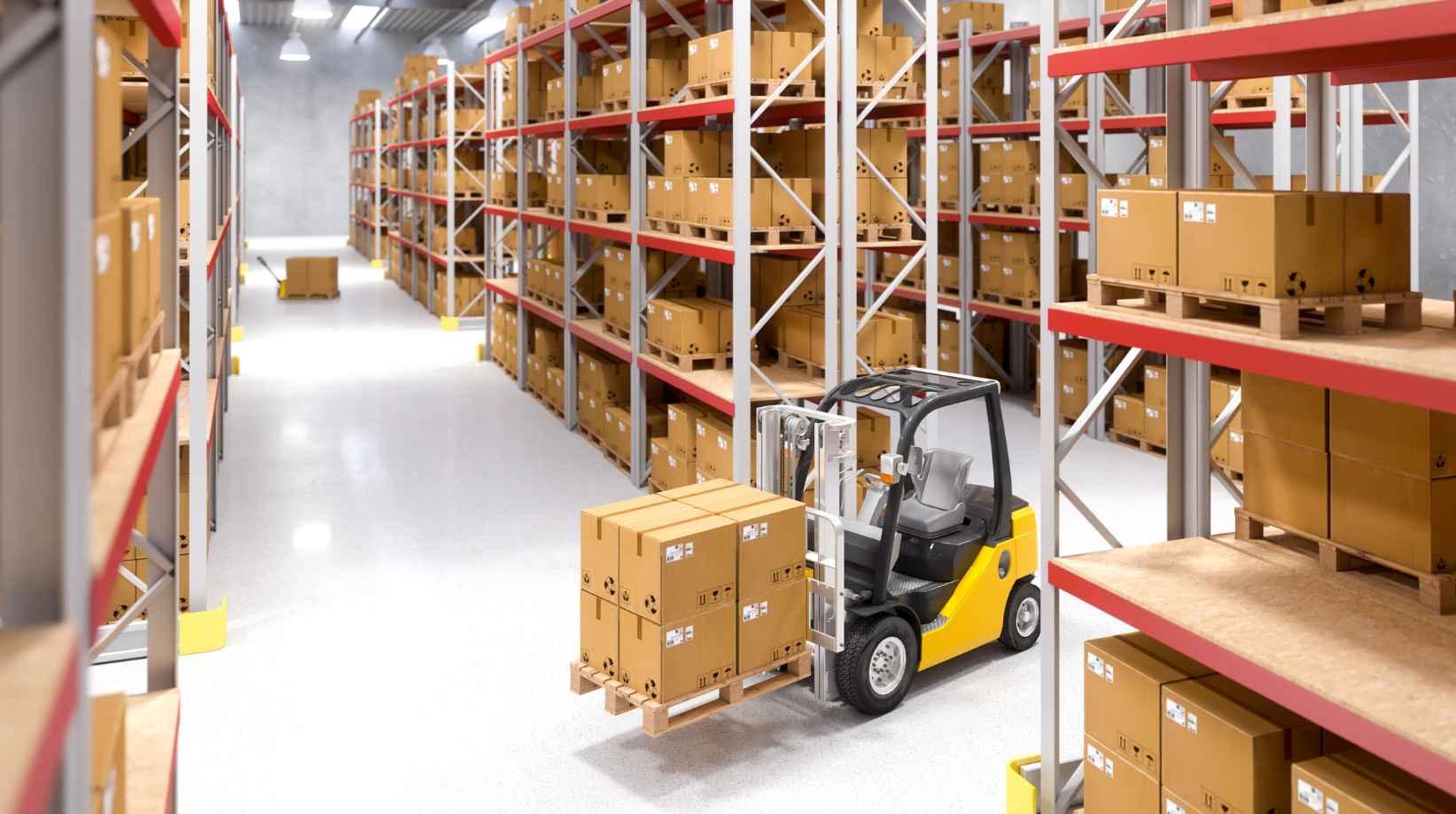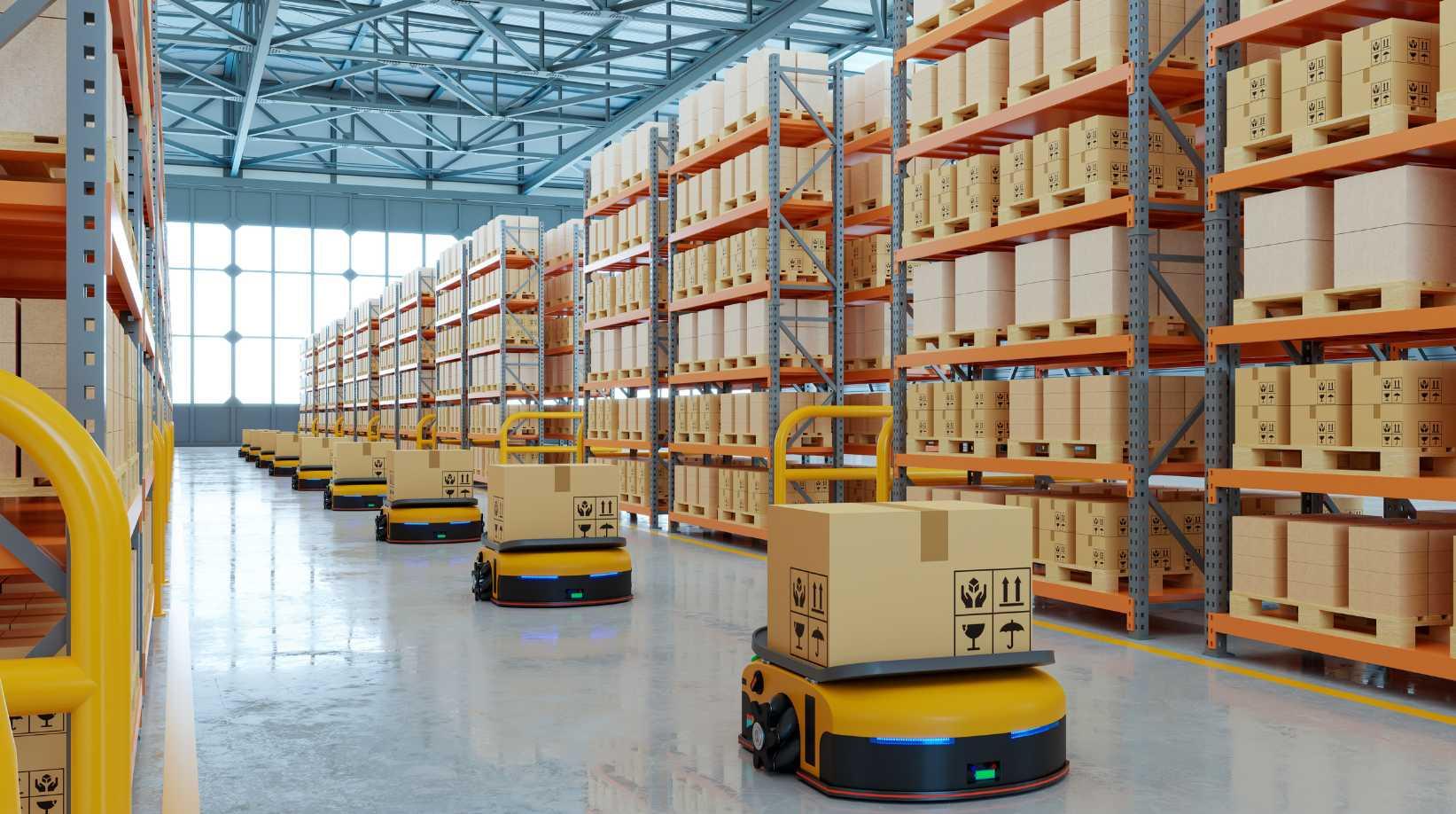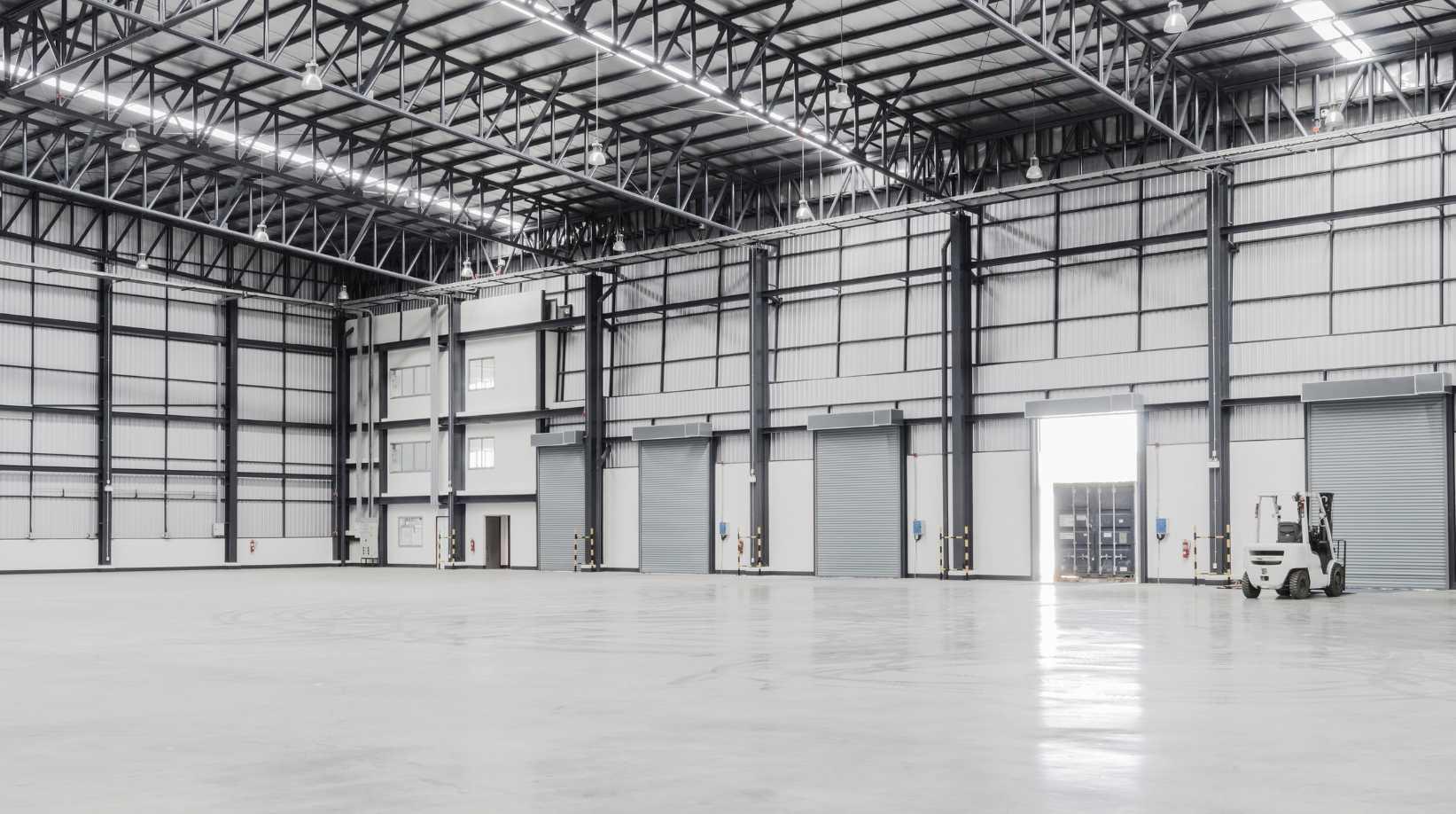
Warehouse design is a critical aspect of supply chain management that directly impacts operational efficiency and productivity. Planning a warehouse layout can be a complex process due to the many factors involved. It requires the strategic design of a facility layout that ensures effective use of available space, smooth operational flow, and improved efficiency.
The Importance of Practical Warehouse Layout Design
Designing a practical warehouse layout is essential because it has a direct effect on warehouse efficiency and productivity. Processes should be arranged in a logical sequence that simplifies operations, increases productivity, and reduces costs.
A well-planned, properly implemented, and optimized warehouse design enables easy access to stored goods, minimizes internal travel time, and improves order fulfillment rates.
In addition, it is crucial to consider all business requirements during the planning phase. Once construction or physical implementation begins, making changes to the planned layout can lead to significantly higher costs than initially estimated due to additional material and labor requirements.
Key Principles to Consider When Designing a Warehouse Layout
Keeping the following principles in mind can help create an efficient design and streamline warehouse operations:
Budget Considerations
Before starting the warehouse design process, it is important to evaluate all business requirements, review associated budgets, and then develop the design accordingly. Some layout options may be more complex and costly than others, but it is recommended to focus on solutions that best fit your operations and physical constraints while remaining cost-effective.
Space Utilization
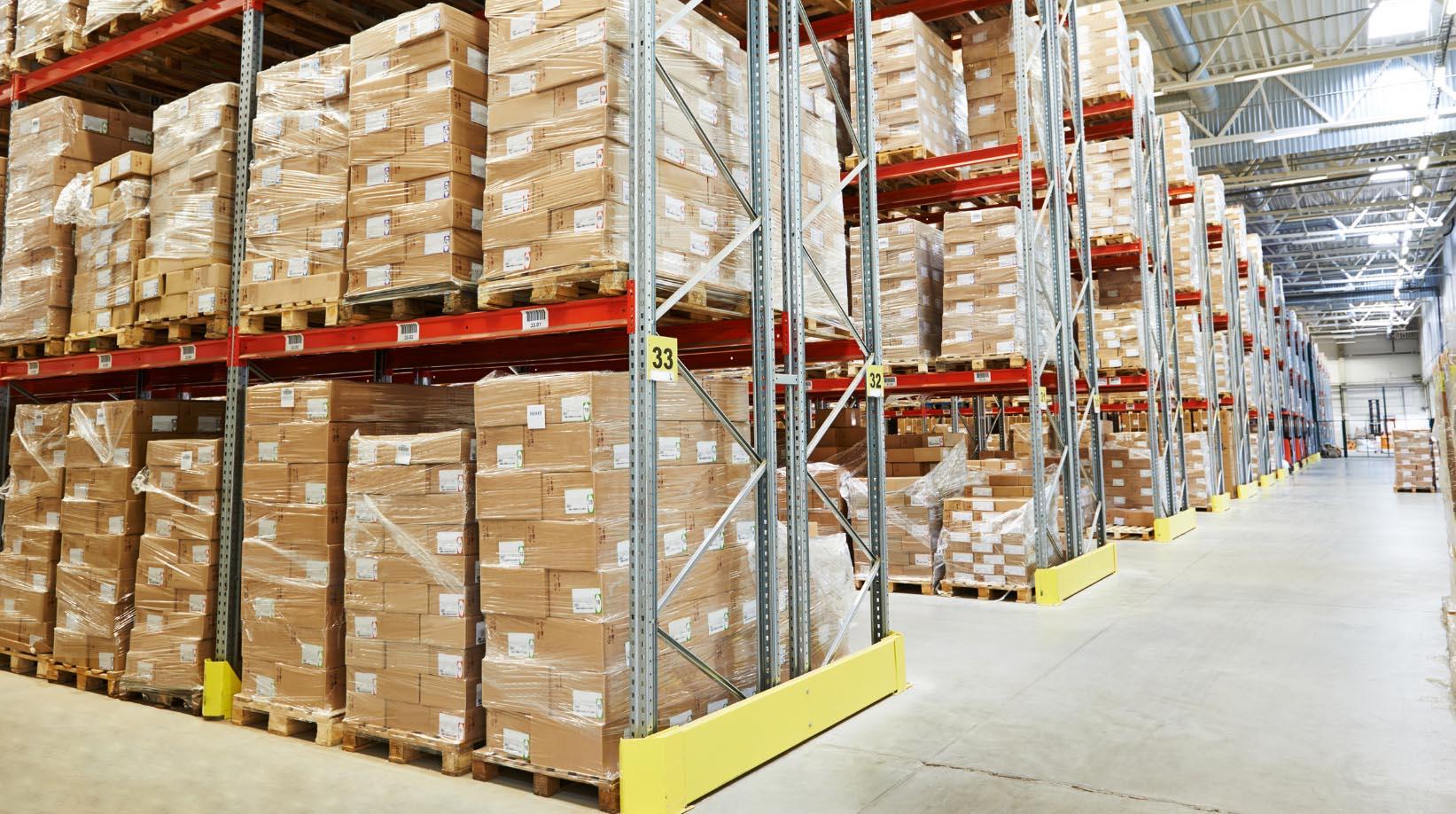
Efficient use of available warehouse space helps improve inventory tracking, reduce internal travel time, and increase overall operational efficiency. When designing the layout, it is important to minimize space allocated to offices, empty pallets, charging stations, and similar non-operational areas, while maximizing space for storage and operational activities.
How space is allocated will directly affect racking design, installation capacity, and product placement plans within the facility.
Goods Flow
Ensuring uninterrupted operational flow of products, personnel, and equipment is vital for smooth warehouse operations. By strategically planning the layout and sequencing processes, inefficient routes and operational bottlenecks can be avoided.
Accessibility
Easy access to all areas and products within the facility is essential. The layout should allow staff to move easily throughout the warehouse and locate and pick products without unnecessary handling or relocation of other items. Improved accessibility increases productivity and enables faster order fulfillment.
Equipment
The use of different types of equipment—such as material handling tools, stacking and packing equipment, pallet racking systems, or conveyors—directly influences layout design. By identifying required equipment in advance, the most suitable layout can be designed to improve facility efficiency.
Productivity
Warehouse productivity refers to the number of products processed and moved through various warehouse activities such as receiving, putaway, storage, picking, packing, and shipping. By collecting and analyzing these data points, a warehouse design can be planned to support efficient material flow and ensure the right equipment is available.
Labor
Understanding the required number of employees, current skill levels, shift schedules, and other workforce-related factors helps ensure the warehouse layout does not limit labor productivity. The design should also safely accommodate new employees and future workforce requirements.
Regulatory and Compliance Guidelines
Compliance with local regulations and guidelines is essential when designing a warehouse. Adhering to these rules not only protects employees, equipment, and assets but also helps avoid fines and legal issues.
Summary
Selecting the most suitable warehouse layout design for your facility is critical to achieving optimal resource utilization. The best way to ensure the task is manageable is to consider the factors outlined above.
A well-designed layout enables better use of warehouse space, increased productivity, and improved order fulfillment performance.
Beyond warehouse design, selecting the right warehouse location can also significantly enhance your ability to compete and serve customers effectively.
Sample Warehouse Design Calculations
-
Determining the number of doors and docks
-
Identifying required material handling equipment
-
Defining aisle heights and widths within the warehouse
-
Selecting appropriate racking types based on stored materials
-
Determining the number of storage locations
-
Calculating storage area dimensions and defining aisle count and lengths
-
Defining receiving and shipping areas
-
Planning order picking and packing areas
-
Allocating equipment charging and parking zones
-
Calculating building width, length, and height