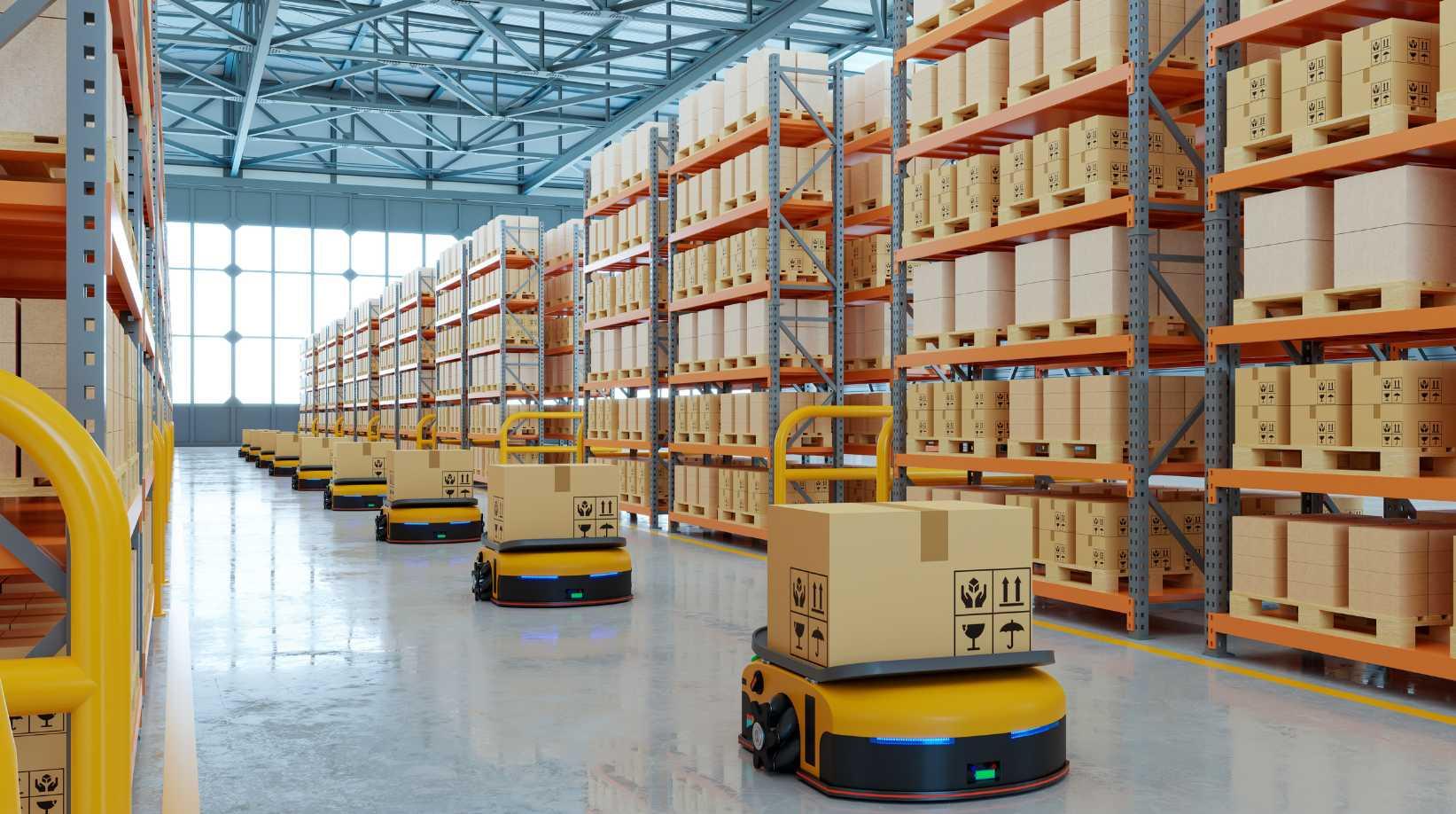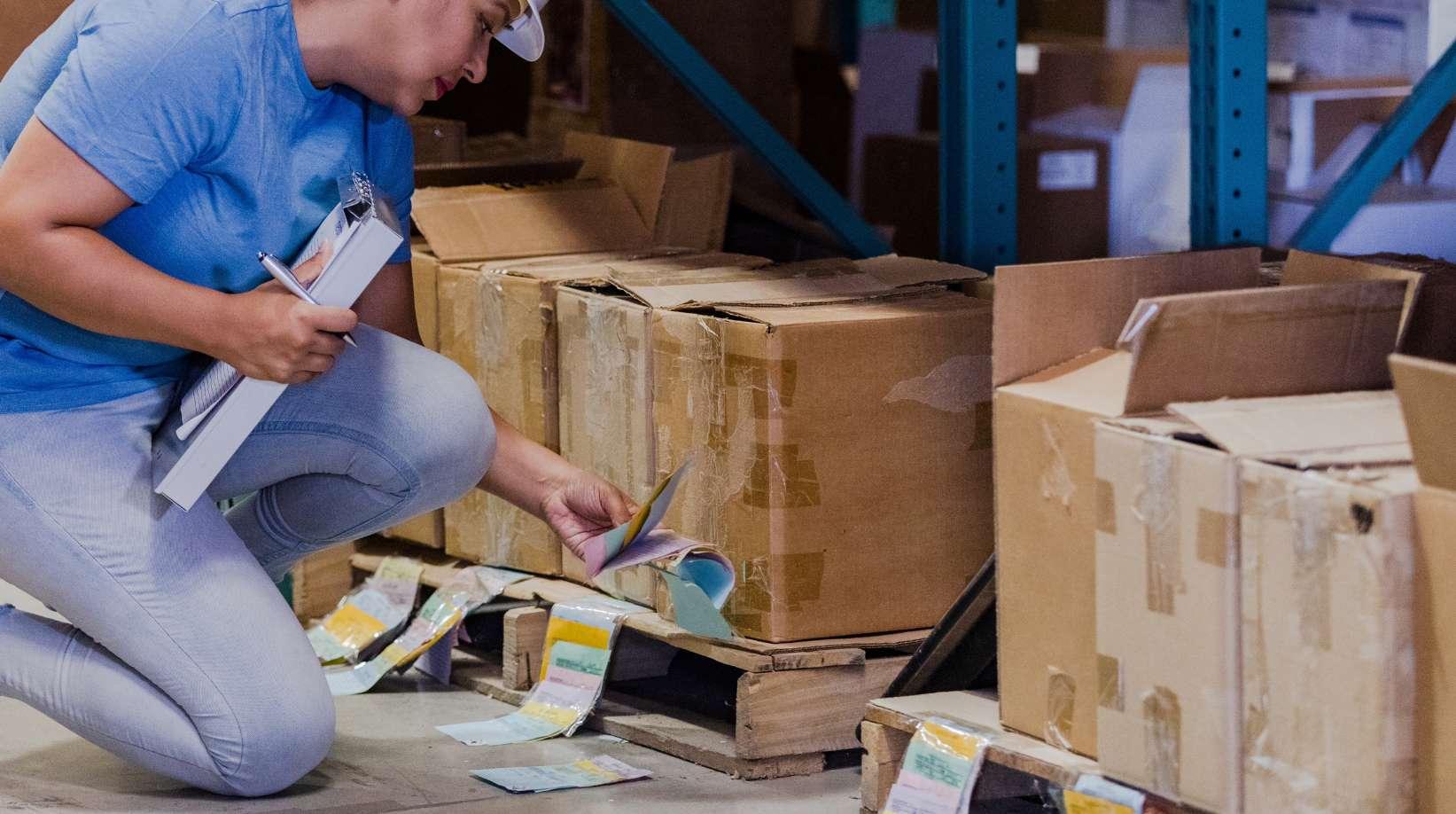
Order fulfillment refers to the process of receiving, preparing, and delivering orders to customers. It includes a wide range of activities, such as:
-
Receiving and processing customer orders: This involves verifying that the order is complete and accurate and entering it into the system for preparation.
-
Picking and packing: Once an order is processed, the appropriate products must be picked and packed for delivery.
-
Shipping and delivery: The order is shipped to the customer using a pre-agreed delivery method, which may involve a third-party carrier or direct delivery.
-
Tracking and returns: The order fulfillment process may also include shipment tracking and the handling of customer-initiated returns or exchanges.
Overall, order fulfillment is a critical part of the customer experience, as it plays a key role in ensuring that products are delivered to customers on time and efficiently.
The primary goal of order fulfillment is to deliver the right product to the right customer, as quickly and cost-effectively as possible. With this goal in mind, speed and efficiency become the top priorities.
Key Considerations for an Effective Order Fulfillment Process
Choose the right order picking method
Depending on the nature of your business, there are several order picking methods you can use. By evaluating the size and scale of your operation, you can determine which method best suits your business.
Increase inventory visibility
If you sell across multiple channels, greater transparency in inventory levels will significantly improve your order fulfillment process. The more visibility you have, the more effectively you can avoid stockouts and overstock situations.
Improve order management
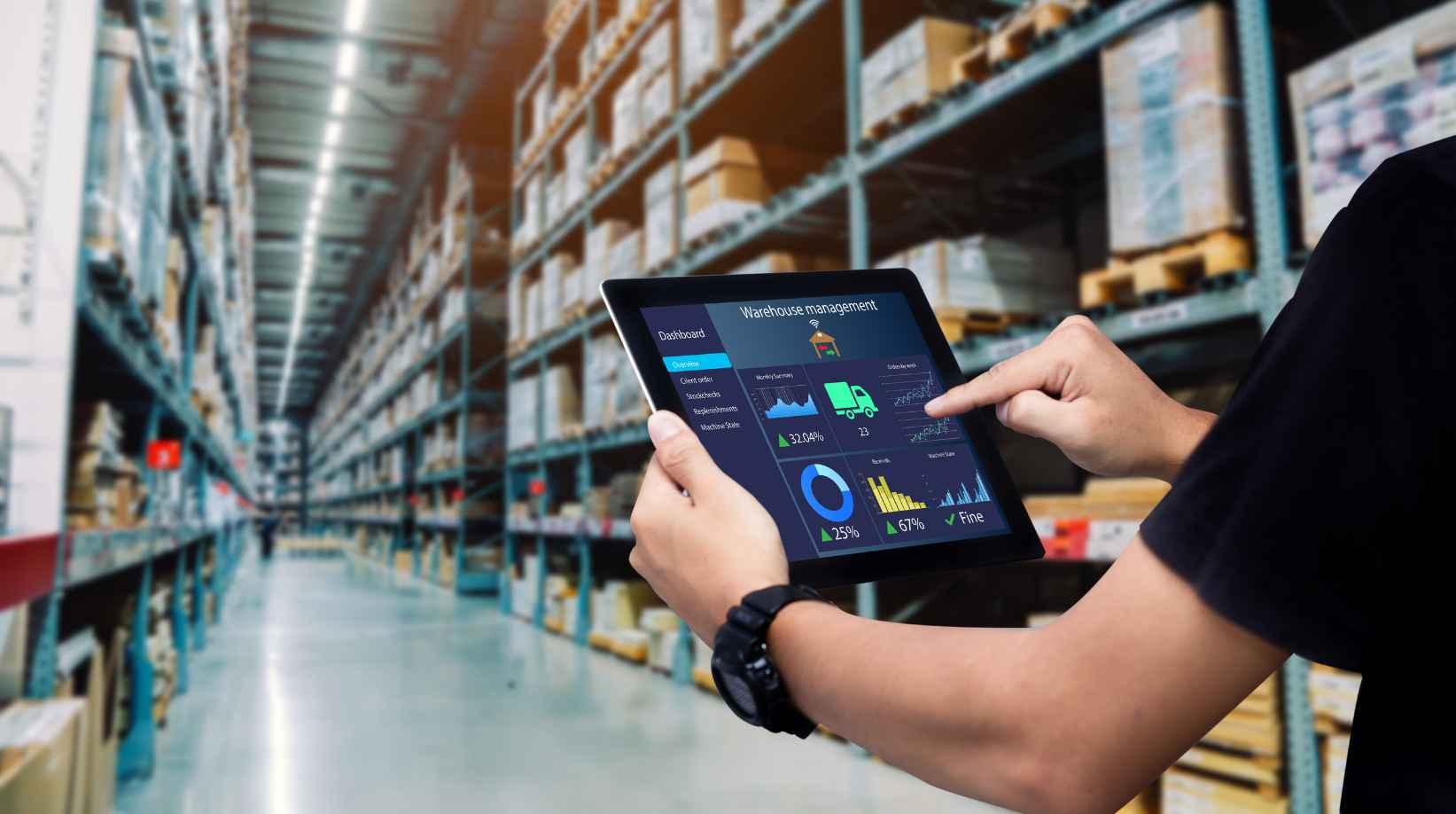
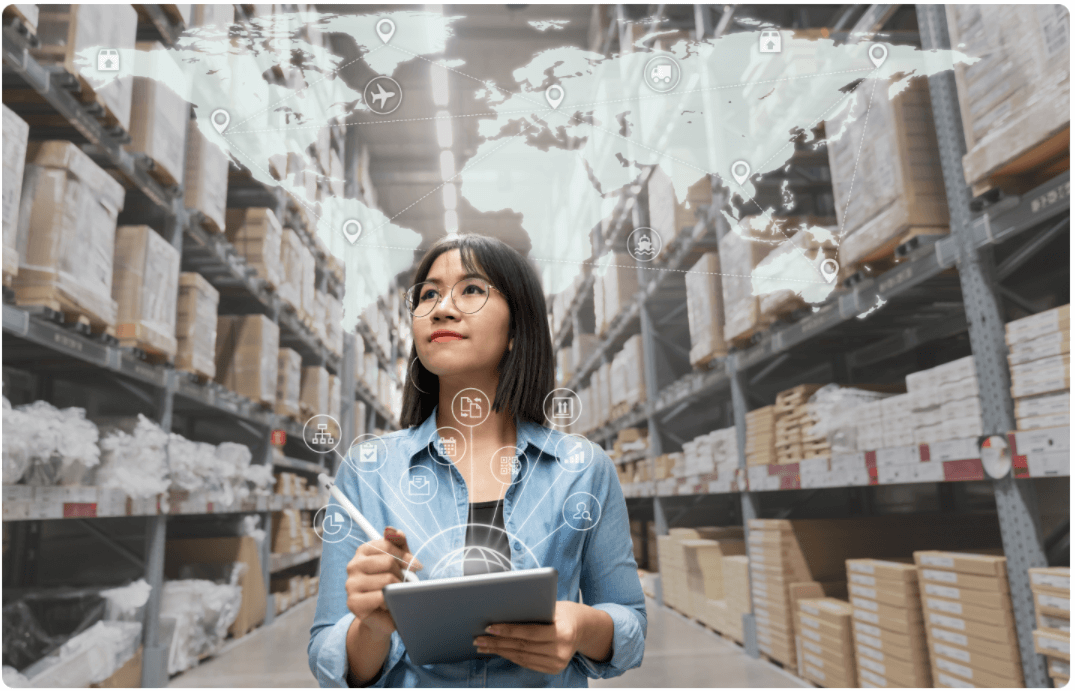
Knowing and communicating order status in real time through your Warehouse Management System (WMS) allows your distribution network to track progress, identify shipping bottlenecks, and proactively inform customers about their orders.
Prioritize warehouse location
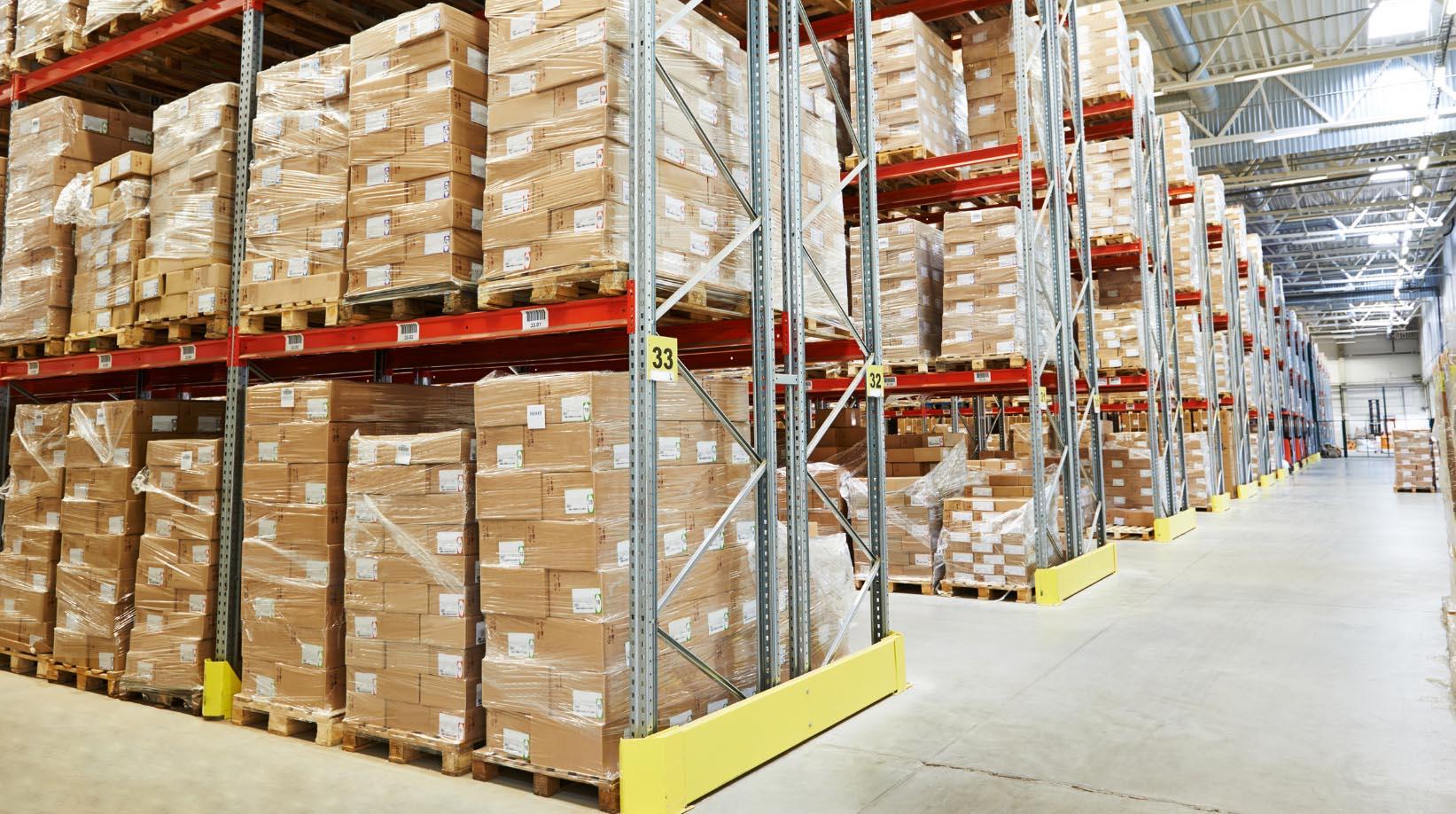
Make sure you choose warehouses and fulfillment providers that not only meet your storage, picking, and distribution needs, but are also located close to your customer markets.
The Role of Order Fulfillment in Brand Building
Unlike traditional retail, online shopping separates the purchasing experience from the physical delivery of the product. This separation brings advantages—products can be stored centrally, eliminating the need for intermediaries and costly retail spaces near customers.
However, within the broader concept of customer experience, delivering the right order, at the right time, in the right way becomes critically important. In e-commerce, logistics plays a central role. Customers expect fast, cost-effective delivery after purchase and payment, along with easy return options.
Order Fulfillment Processes
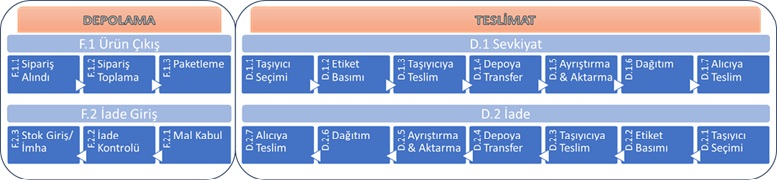
Once an order is transmitted to the warehouse (F.1.1):
-
The products included in the order are consolidated into one or more picking orders and collected from storage locations (F.1.2).
-
Products from multiple orders may be combined into a single picking order to optimize picking time.
-
-
During the packing process (F.1.3), all items belonging to an order are consolidated and packed into one or more shipments.
-
Packages typically include promotional inserts such as brochures or coupons, always an invoice, and in some cases a return label (see D.2.1 and D.2.2).
-
-
As the first sub-process of shipping, the carrier for the shipment is selected (D.1.1) and shipping labels are printed (D.1.2).
-
Although carrier selection and label printing usually take place in the warehouse and are often part of packing, they are formally part of the delivery process.
-
-
Labeled shipments are handed over to the carrier (D.1.3) and transferred to the carrier’s hub (D.1.4).
-
Shipments are sorted based on shipment data and destination postal codes (D.1.5).
-
If required, an intermediate transport takes place, moving the shipment from the shipper’s hub to the distribution center in the destination region (D.1.4).
-
The shipment enters the final delivery phase from the destination distribution center (D.1.6) and is delivered to the customer (D.1.7), completing the delivery process.
Returns Process
If the recipient wishes to return the ordered products, the return process begins:
-
Carrier selection (D.2.1) and label printing (D.2.2) are completed.
-
If a return label was not included during packing (step F.1.3) or has expired, carrier selection and label generation are typically handled via customer service or a self-service portal.
-
-
The next step involves either carrier pickup or customer drop-off at a designated return location (D.2.3).
-
In both cases, the returned products are collected at the carrier’s warehouse (D.2.4).
-
Similar to outbound shipments, the return is routed through the carrier network and ultimately delivered to the return address (D.2.5, D.2.6, D.2.7).
-
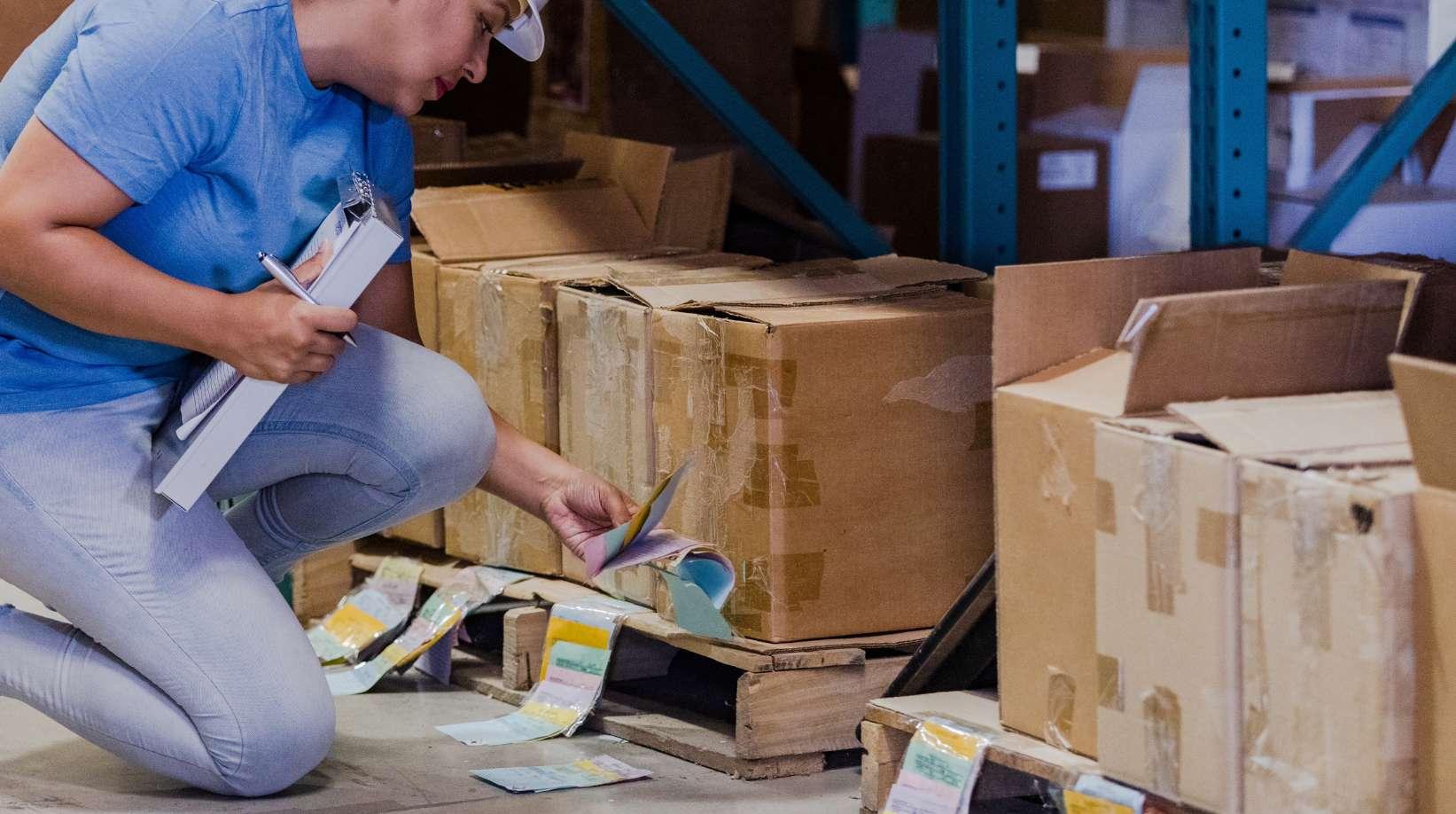
The final steps include receiving the returned goods (F.2.1) and checking whether the correct items were returned on time and in acceptable condition (F.2.2) to determine whether they should be restocked or disposed of (F.2.3).
With this final step, the order fulfillment process is completed, and the customer is typically refunded the purchase price.