Roles, Responsibilities, Skills and Challenges
Today, the logistics industry is growing rapidly, and this growth is driving increasing demand for warehousing and distribution services. As a result, the role and responsibilities of warehouse managers are becoming more critical than ever.
Warehouse managers working in logistics facilities play a key role in ensuring that warehouse operations run smoothly and efficiently. In this article, we explore the roles, responsibilities, required skills, and challenges faced by warehouse managers in logistics warehouses.
The Core Role of Warehouse Managers
The primary responsibility of a warehouse manager is to manage warehouse operations end to end.
These operations cover the entire process—from receiving goods into the warehouse to dispatching them.
Warehouse managers must effectively oversee every stage of this process and ensure that operations are carried out efficiently, accurately, and on time.
People Management Responsibilities
Warehouse managers are also responsible for managing warehouse personnel.
This includes:
-
Employee training
-
Performance evaluation
-
Motivation and engagement
They must balance workloads, improve productivity, and ensure employee satisfaction while maintaining operational discipline.
Budget and Cost Management
One of the most critical responsibilities of a warehouse manager is managing the operational budget.
Warehouse managers must:
-
Control operational costs
-
Ensure budget targets are met
-
Continuously seek improvement opportunities to increase efficiency
Cost control and continuous improvement go hand in hand in successful warehouse management.
Methods to Improve Warehouse Efficiency
There are many strategies that warehouse managers can use to improve operational efficiency, including:
Optimizing warehouse layout
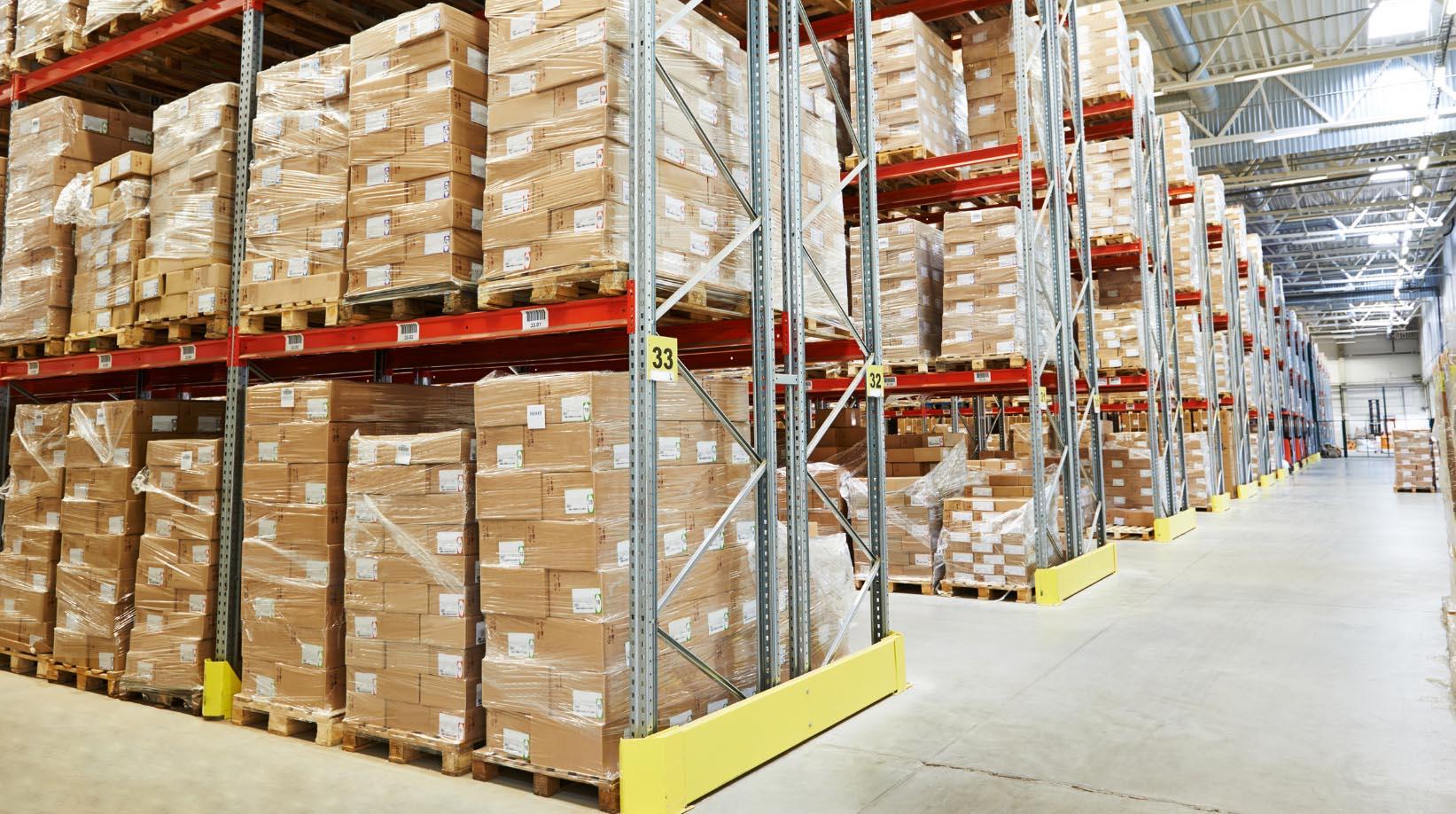
Organizing products in a structured and systematic way helps operations run more smoothly.
Easy product access and reduced internal movement prevent time loss and labor inefficiencies.
Modernizing warehouse equipment
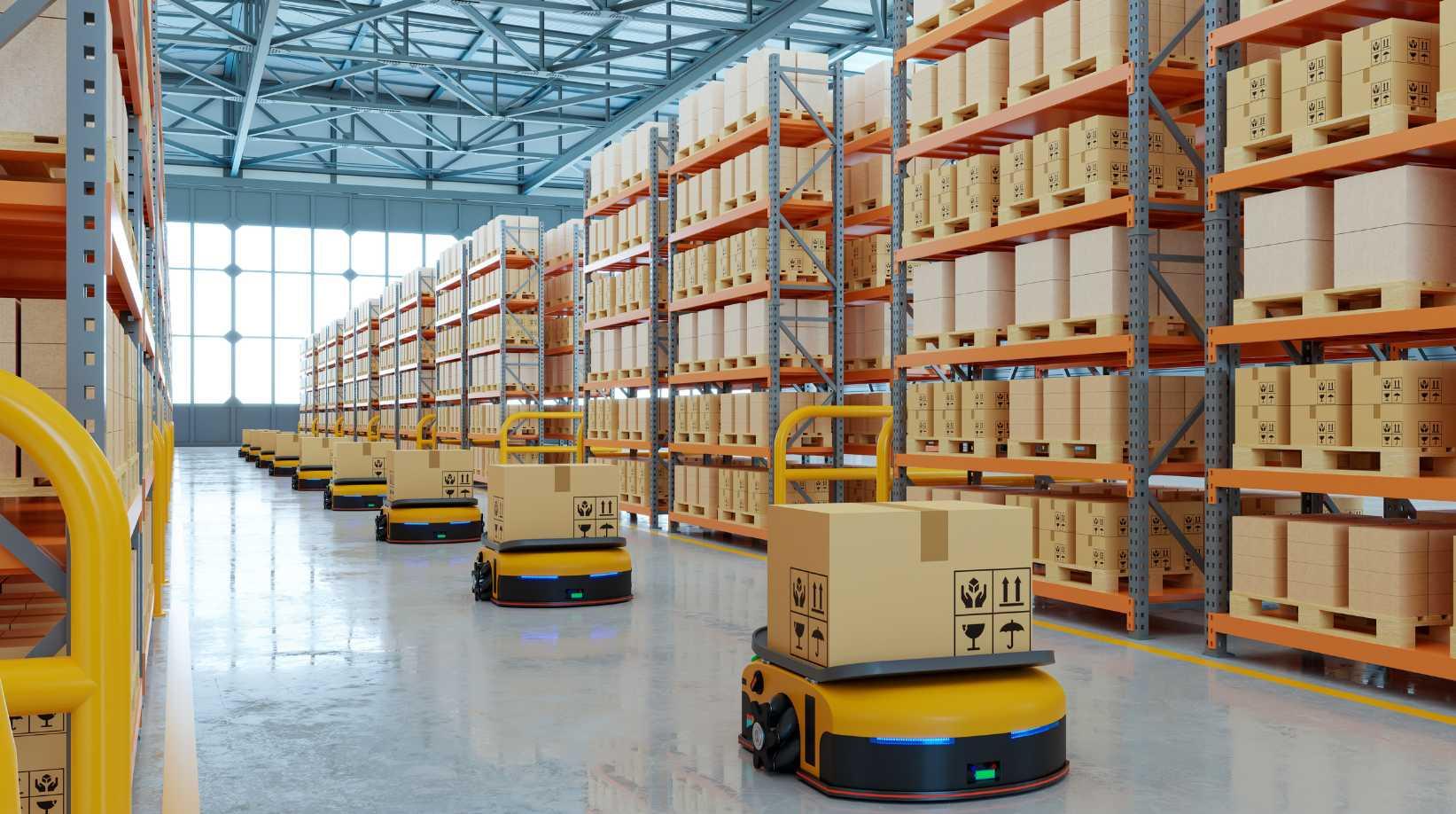
Using modern and up-to-date equipment enables faster and safer operations.
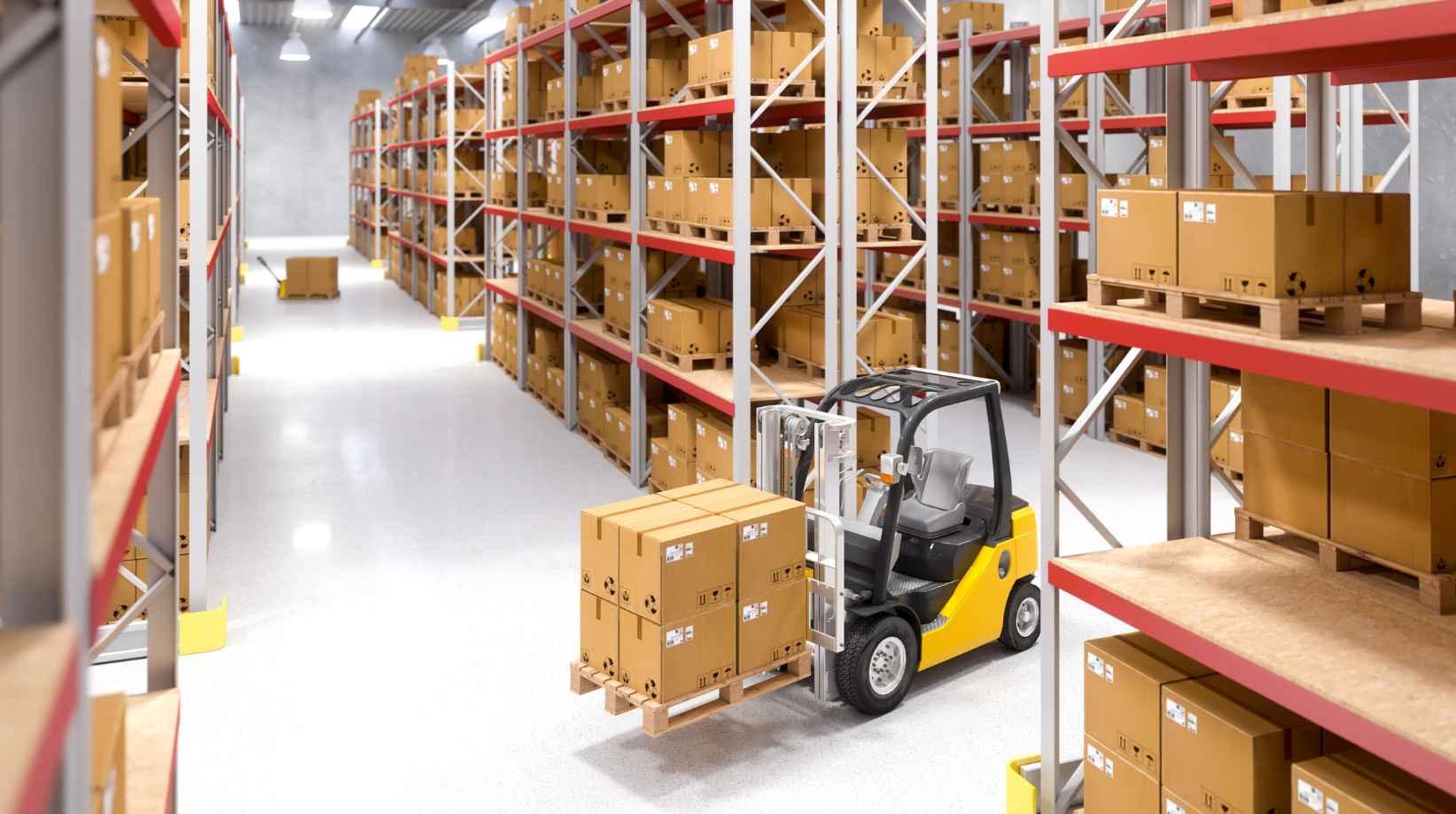
For example, advanced forklifts and material handling equipment can significantly improve productivity.
Using Warehouse Management Systems (WMS)
Warehouse management systems make it easier to track and manage inventory.
They provide real-time visibility into stock levels, movements, and locations, enabling more efficient warehouse control.
Selecting the right WMS is critical. Key steps in the selection process include:
-
Needs analysis
-
Budget definition
-
Feature comparison
-
Evaluation of integration capabilities
-
Reference checks
-
Assessment of training and support services
-
Use of trial or demo versions
Investing in staff training
Proper training is essential for efficient operations.
Employees should be trained on operational processes, equipment usage, and WMS functionalities to ensure speed and accuracy.
Strengthening internal communication
Strong communication within the warehouse ensures tasks are completed faster and with better coordination.
Improved communication directly impacts operational efficiency.
Continuously reviewing operations
Regularly reviewing warehouse processes and identifying improvement opportunities helps operations run faster and more efficiently.
Ongoing feedback and idea-sharing are key to sustainable improvement.
While many strategies can be applied, the most important principle is continuous review and improvement.
This approach not only increases warehouse efficiency but also positively impacts overall business performance.
Ensuring Warehouse Safety
Beyond efficiency, warehouse managers are also responsible for warehouse safety.
They must ensure:
-
Employee safety
-
Regular maintenance of equipment
-
Safe storage and handling of goods
Clear procedures must be established and operations should be monitored consistently to maintain a safe working environment.
Key Skills of Warehouse Managers
One of the most important skills a warehouse manager must have is leadership.
They must guide, motivate, and collaborate effectively with their teams.
In addition, warehouse managers must possess:
-
Crisis management and problem-solving skills to respond quickly to operational issues
-
Strong organizational and time management skills to plan, prioritize, and manage workloads efficiently
Challenges Faced by Warehouse Managers
Warehouse management comes with significant challenges.
One of the biggest is the complexity of warehouse operations.
Within a single warehouse, multiple customers with different operational requirements may be served.
Each customer requires tailored processes that must be carefully planned and executed.
Another major challenge is adapting operations to constantly changing demand.
Warehouse managers must operate with flexibility and respond quickly to fluctuations, ensuring service continuity and efficiency at all times.