What Is Omnichannel?
Omnichannel is a marketing-driven sales approach that aims to provide customers with a seamless shopping experience, whether they shop online via desktop or mobile, by phone, or in a physical store.
This strategy is customer-centric. Customers can always find the product they want and do not encounter “out of stock” situations. They can purchase through any channel and receive delivery anywhere. As a result, reliability and logistics costs become critical elements of the sales process.
When viewed within the context of omnichannel marketing, omnichannel logistics encompasses all activities across the supply chain.
At its core, the objective is simple:
to deliver the right product, at the right time, to the right place, at the lowest possible cost.
A Seamless Customer Experience
So, what does the uninterrupted shopping experience that omnichannel customers expect actually mean?
Consumers want fairly simple things: competitively priced products, easy ordering, reliable delivery, and immediate responses to questions or complaints. Regardless of whether they shop via PC, tablet, mobile phone, or physical store, they prefer multichannel companies for product delivery.
In terms of customer experience, seamlessness means that customers should receive the same level of service across all available channels:
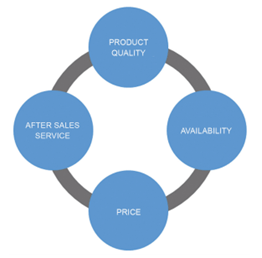
Product Quality
The product must be identical across all channels. Whether ordered online or selected in a physical store, quality should not differ. While availability may be limited in-store for certain colors or sizes (for example, shoes), if available, the product must be the same as in any other channel.
One of the main reasons online grocery shopping has not fully taken off is customer concern about receiving lower-quality fresh products—such as bruised apples or unripe bananas—compared to items they personally select in-store.
Availability
If a product is available online, it should also be available—or at least orderable—in physical stores, and vice versa. To deliver this level of service, product availability across all channels and inventory positions must be accurate, real, and continuously accessible.
Achieving real-time visibility of inventory across locations typically requires significant IT investment, as well as clear procedures for situations such as two customers attempting to purchase the last available item simultaneously.
Price
While prices should be consistent across all sales channels, this should not be interpreted too literally. What matters is price transparency.
For example, a product should not cost 50 TL in a physical store and 55 TL online. Instead, the product may be priced at 50 TL online as well, with an additional 5 TL delivery fee for home shipment. This allows consumers to make a rational, informed choice rather than being forced into a specific channel due to pricing.
Similarly, promotions or bonuses should not apply to only one channel. If a seamless experience exists in one channel, it should exist across all channels.
After-Sales Service
For a consistent value perception, the sales channel used to purchase the product should not matter when it comes to after-sales service. If a standard return policy applies in a physical store, it should apply regardless of whether the product was purchased online or in-store.
The Impact of Omnichannel Strategy on Order Fulfillment
In traditional retail, all demand (from customer to retailer) is fulfilled through physical stores. In typical e-commerce fulfillment, demand is met through home delivery (from retailer to customer).
In an omnichannel strategy, delivery options may include:
-
Traditional retail stores
-
Click & collect
-
Reserve online & collect in-store
-
Buy in-store, deliver to home
-
Order online, deliver to home
-
Ship from store
-
Ship from distribution center
-
Direct shipment from supplier to customer
-
Pickup from designated collection points
Retailers can move toward an omnichannel strategy in several ways. Just as pure e-commerce players may need to develop a physical presence, traditional brick-and-mortar retailers must add digital channels to their order fulfillment portfolio.
Logistics in an Omnichannel Strategy
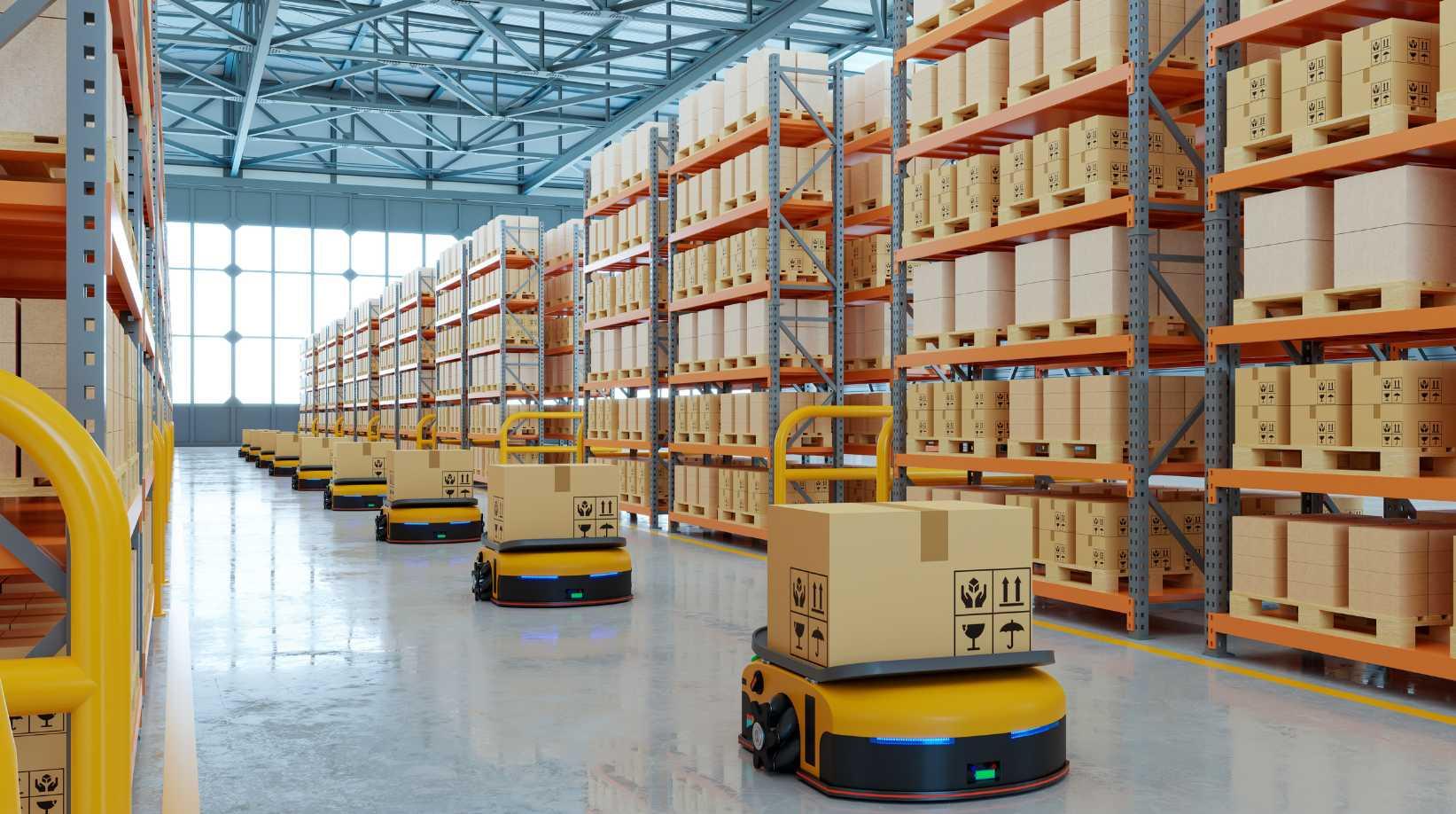
To effectively respond to and implement an omnichannel strategy—and to meet customers’ real-time and fluctuating demands—channels that offer both low-cost and immediate solutions are required. These needs are best addressed through logistics platforms.
Thanks to logistics platforms, seasonal spikes and sudden demand surges (for example, a newly launched product that becomes instantly popular) can be handled without long-term contracts or heavy investments. Businesses can access warehousing services and alternative distribution solutions without committing to fixed costs, allowing demand to be met in a flexible and scalable way.